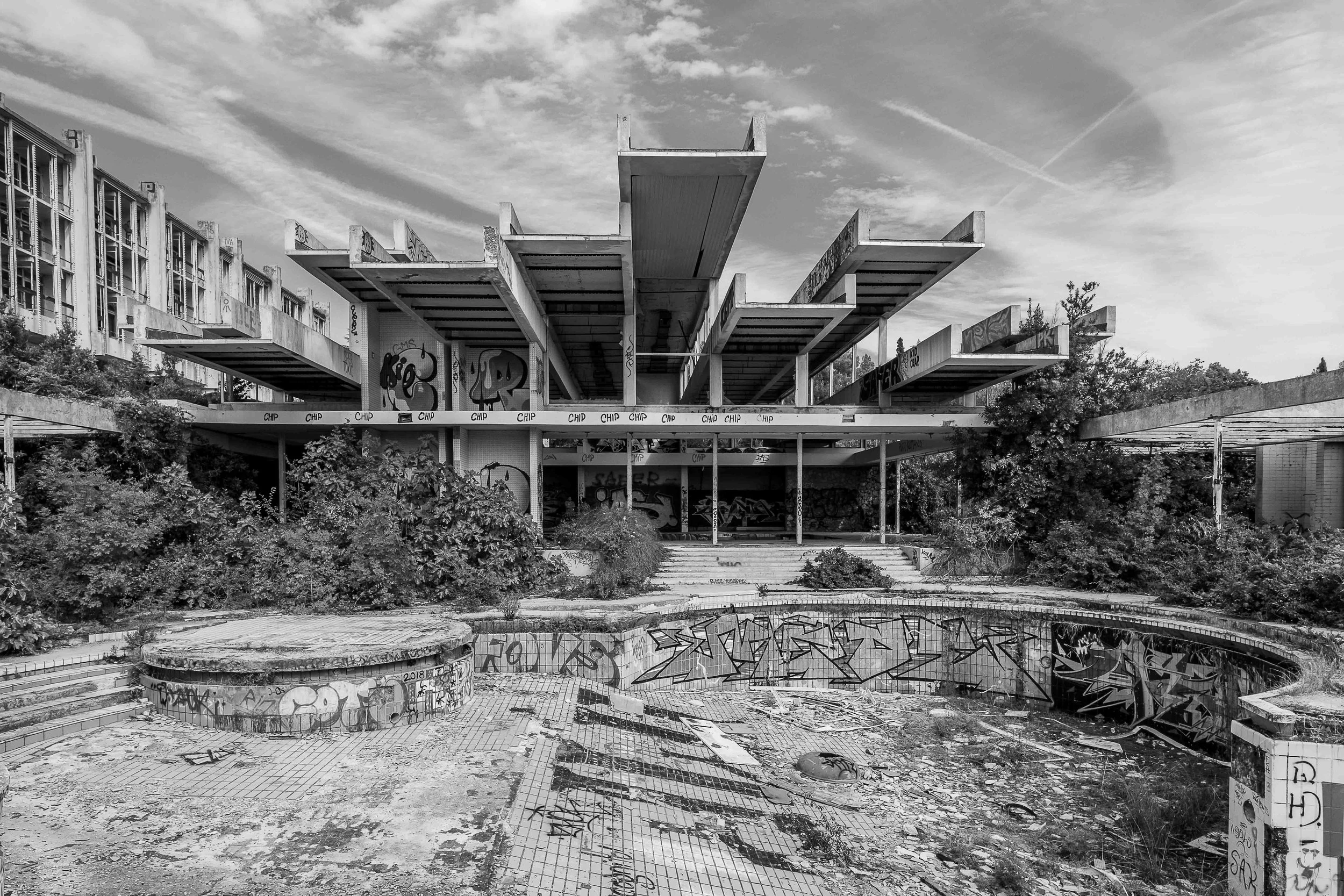
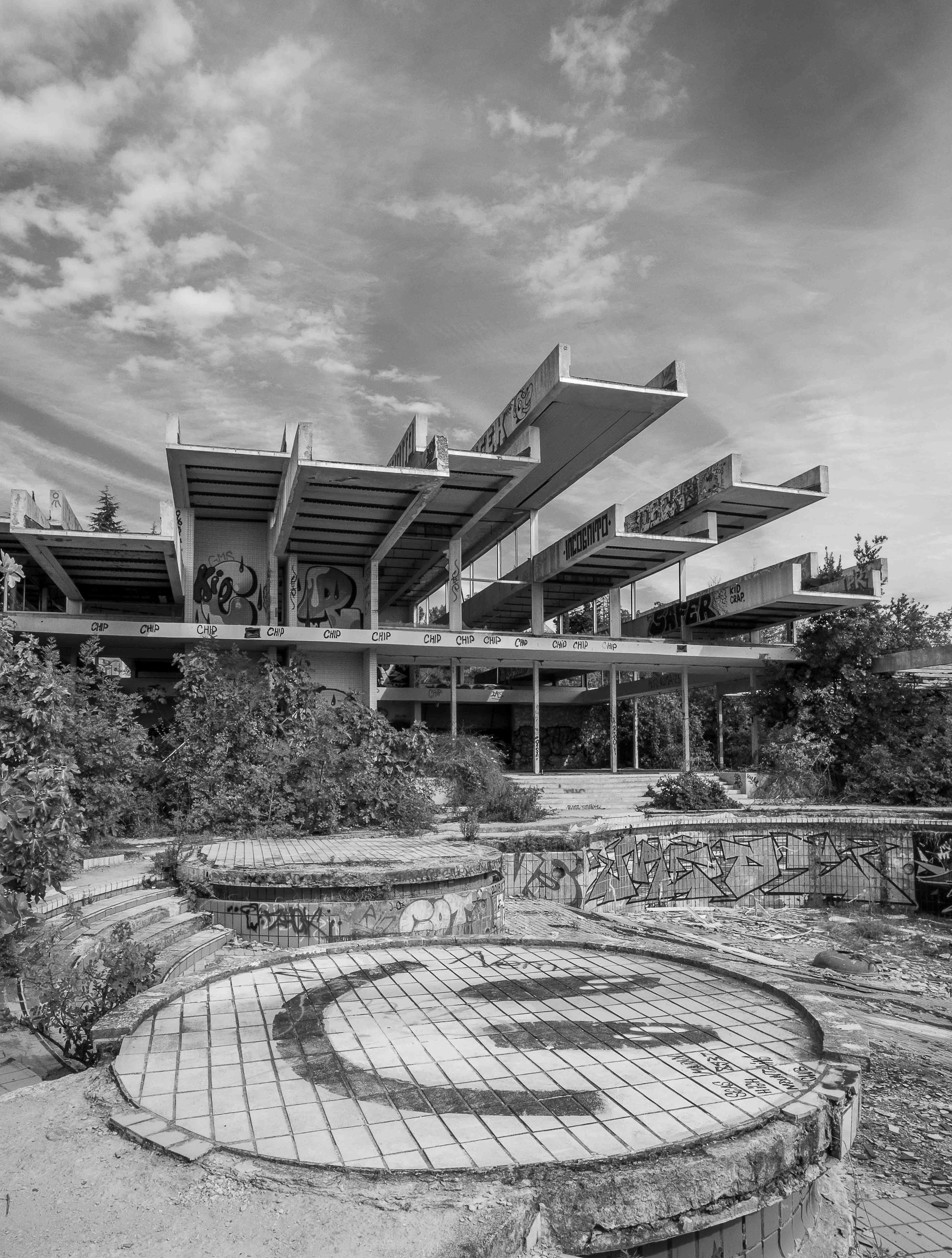
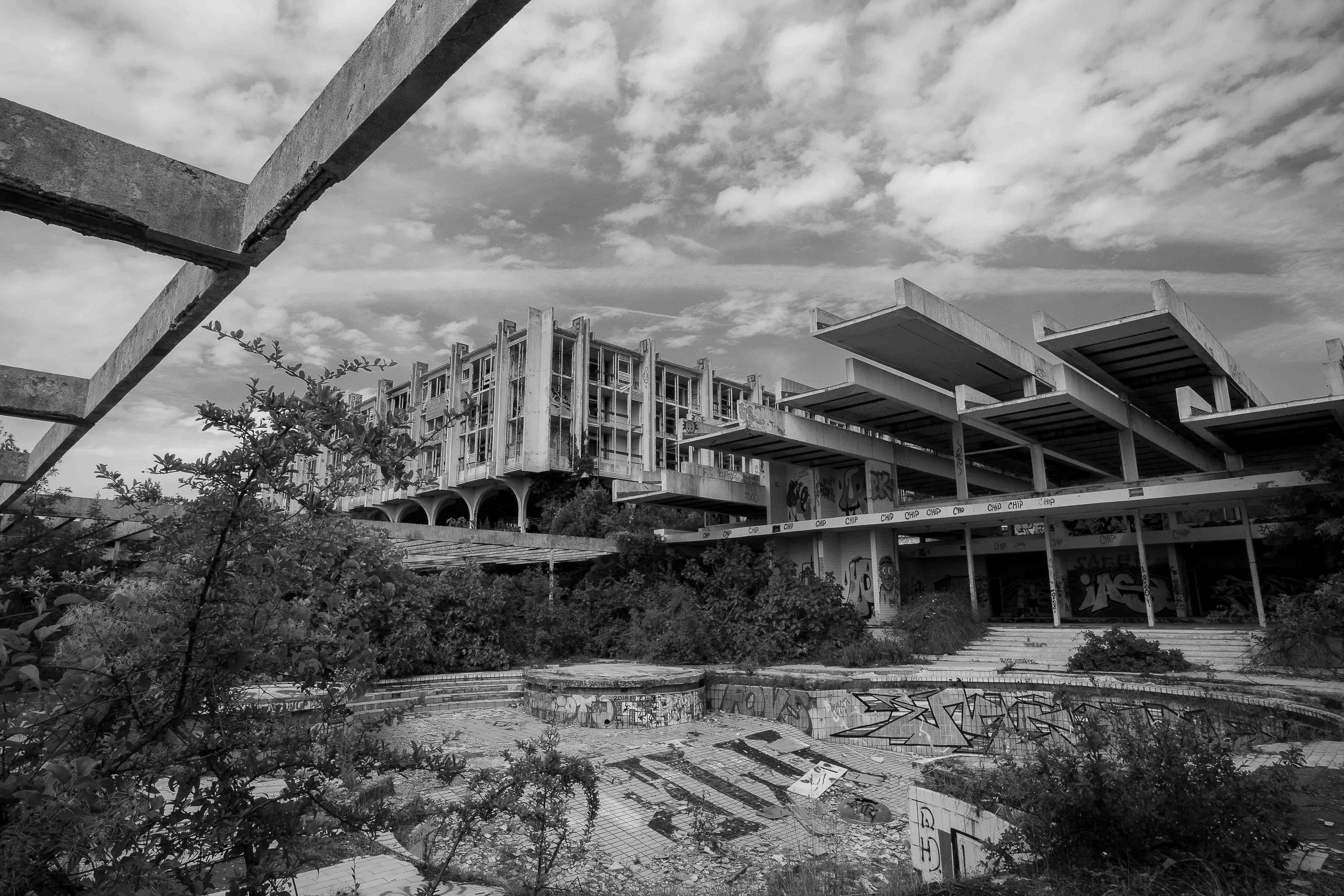
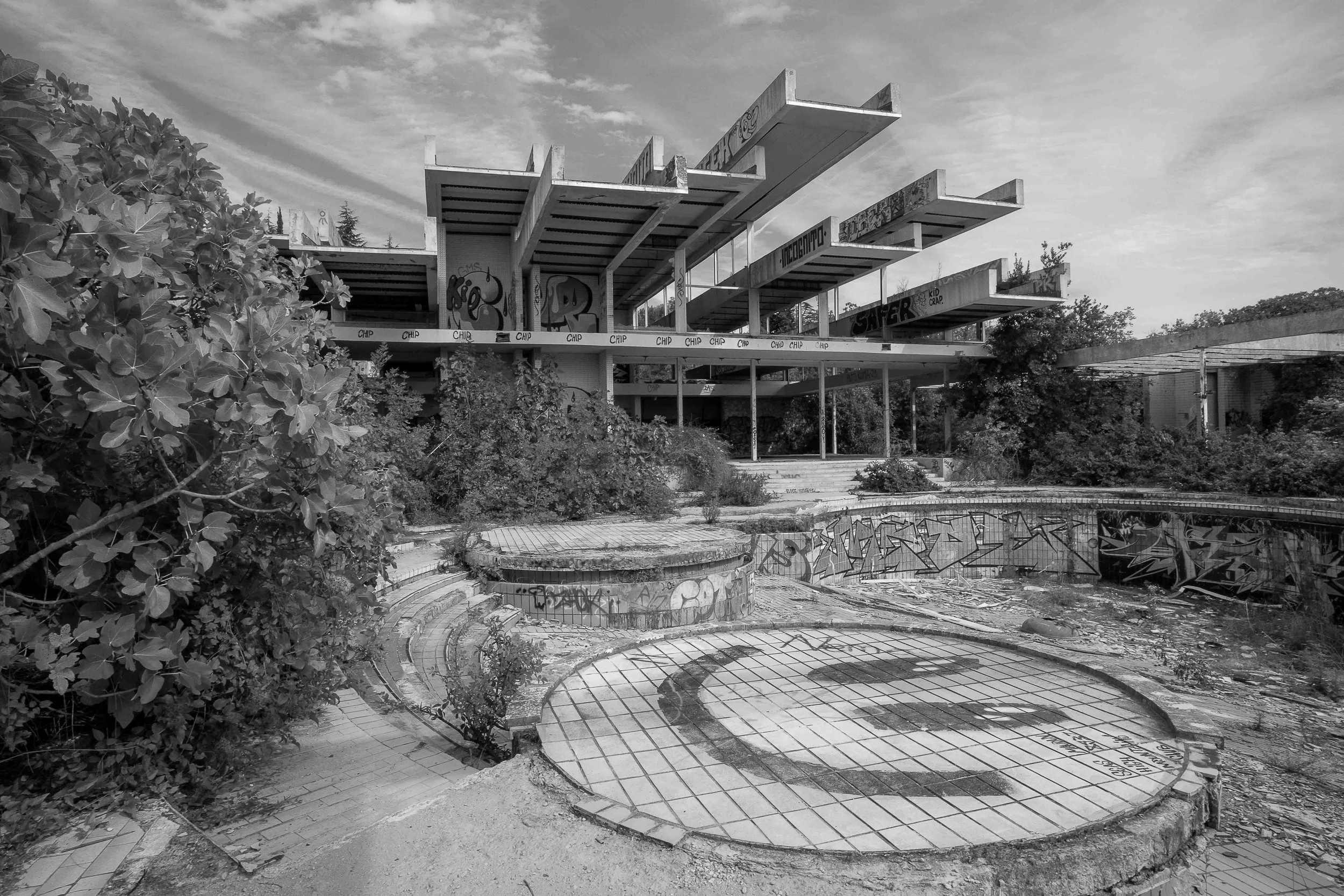
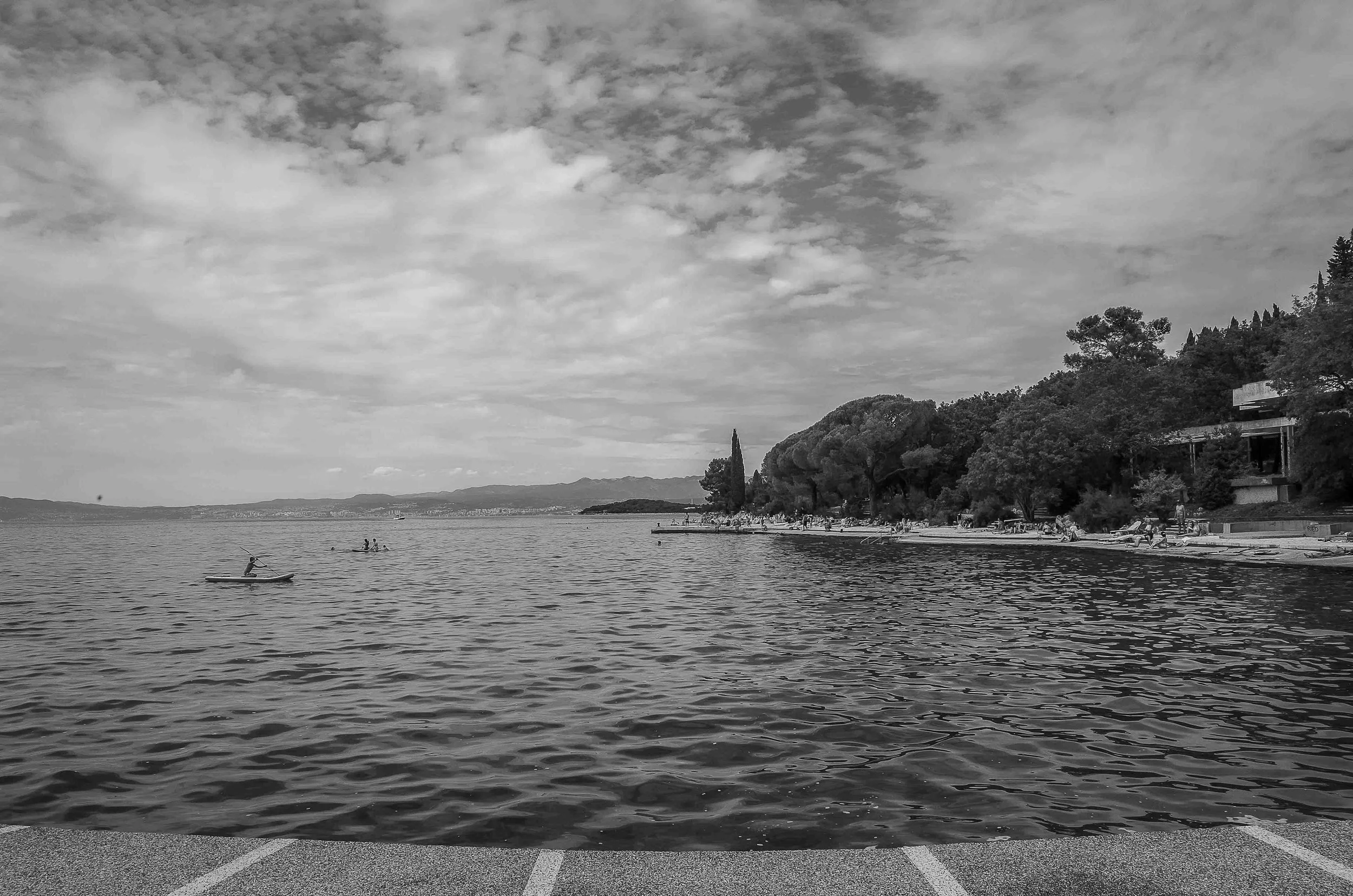
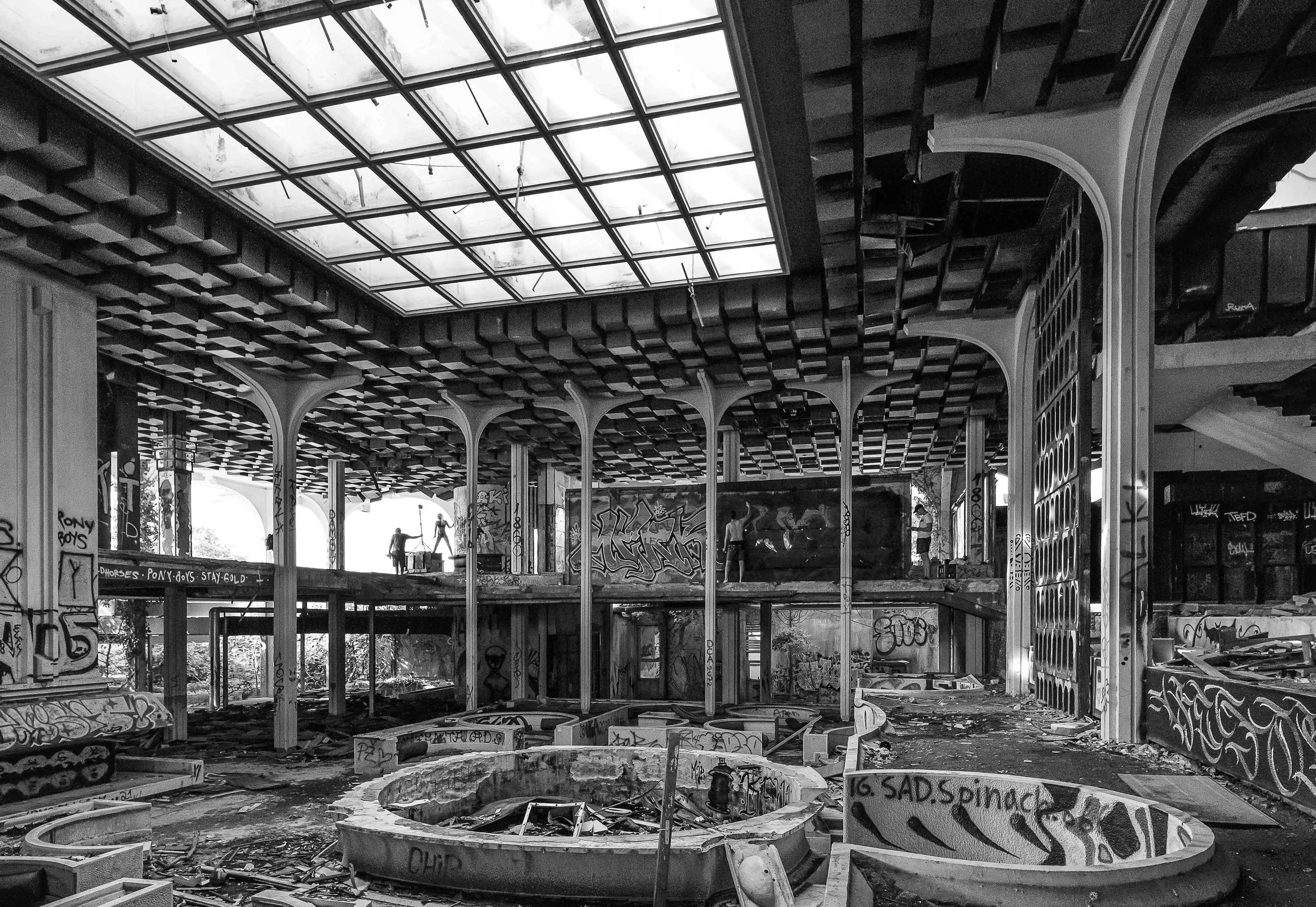
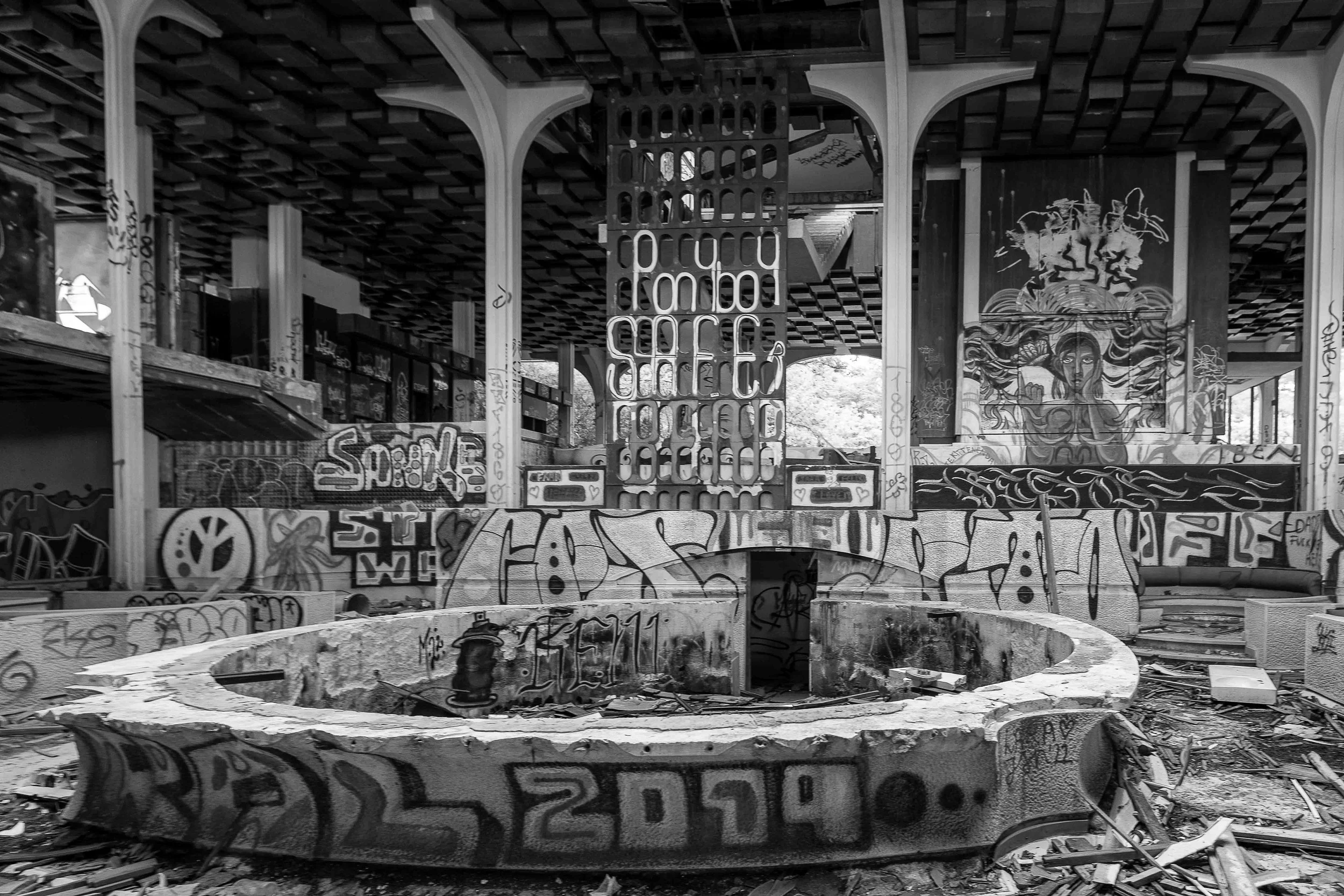
Once the preserve of the rich and famous, The Haludovo Palace Hotel was the love child of Bob Guccione, founder of Penthouse magazine, the raunchier, glossier cousin to Playboy.
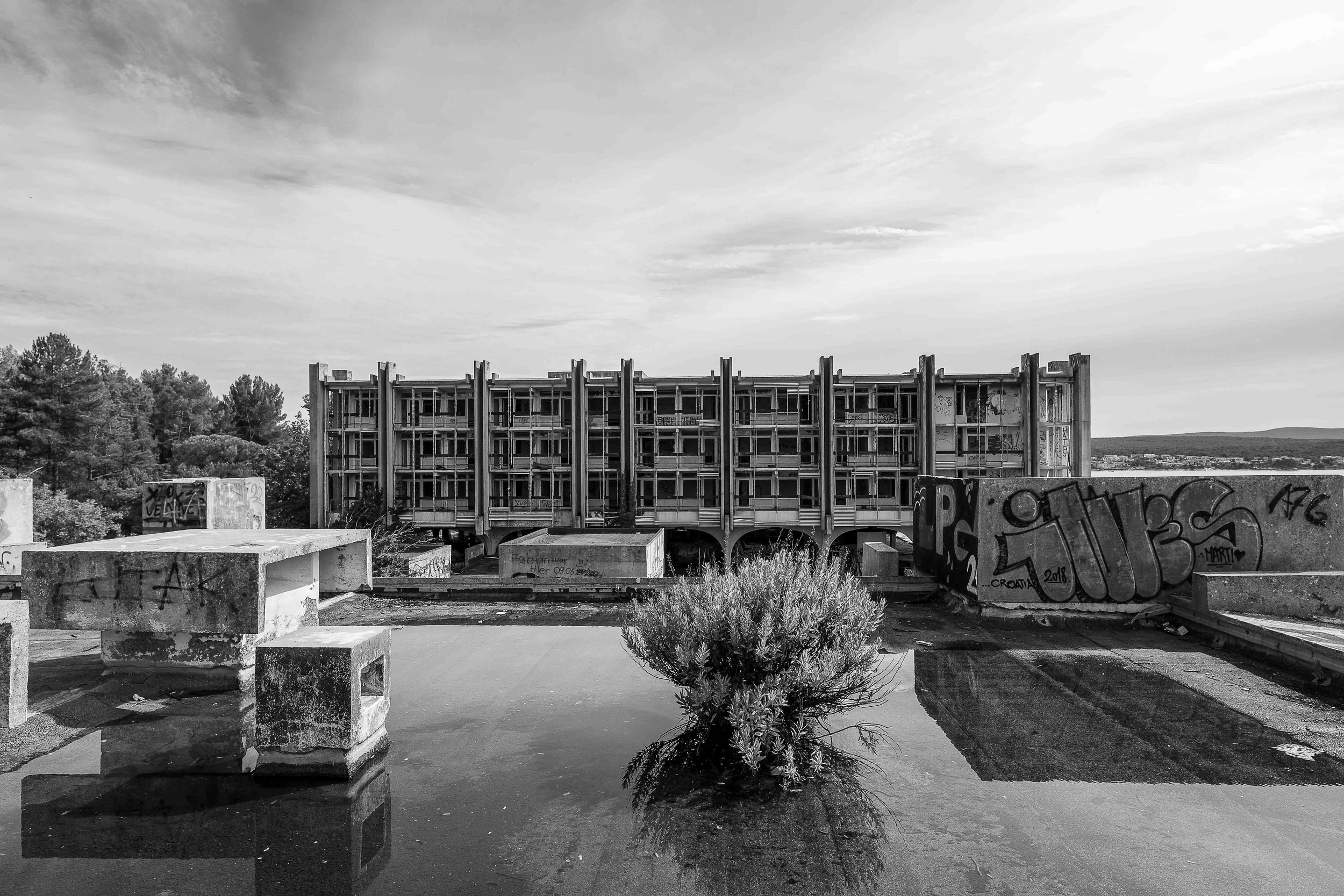
Built in 1971 on the Croatian island of Krk, the brutalist complex was designed by architect Boris Magaš, with no expense spared. Guccione reportedly spent $45 million on the hotel complex: pools, a casino, a bowling alley, private beachfront, a detached fishing village, and external villas.
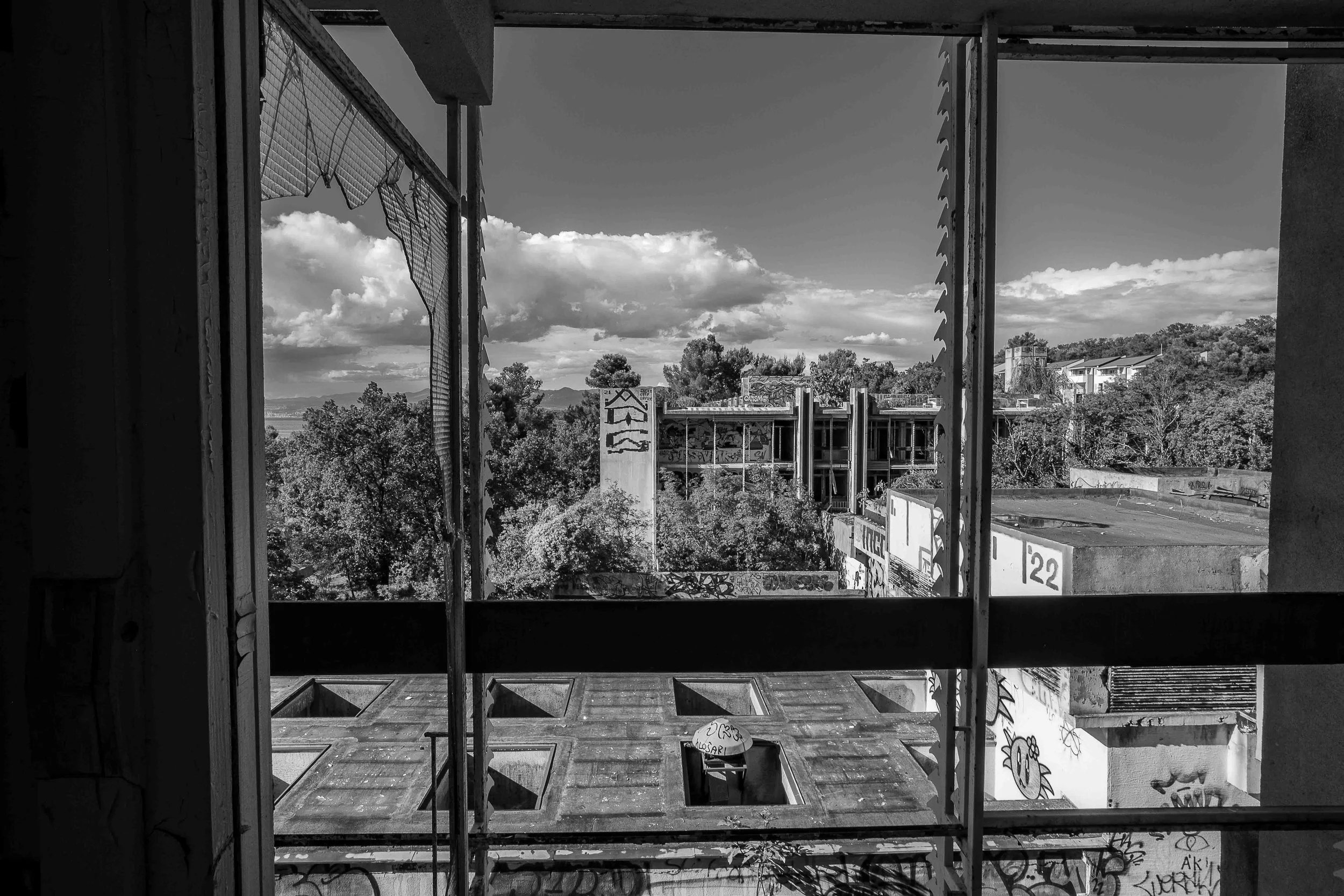
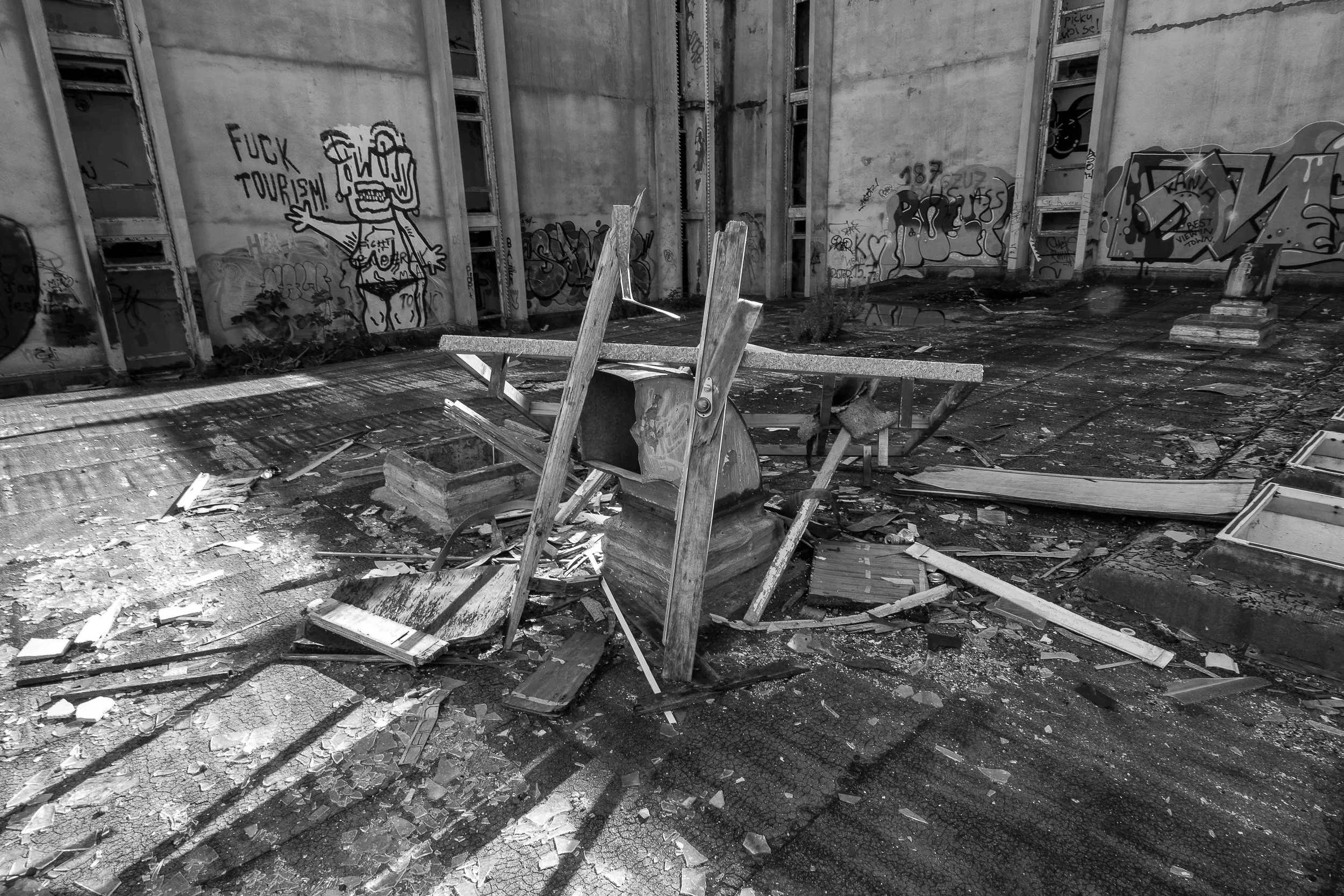
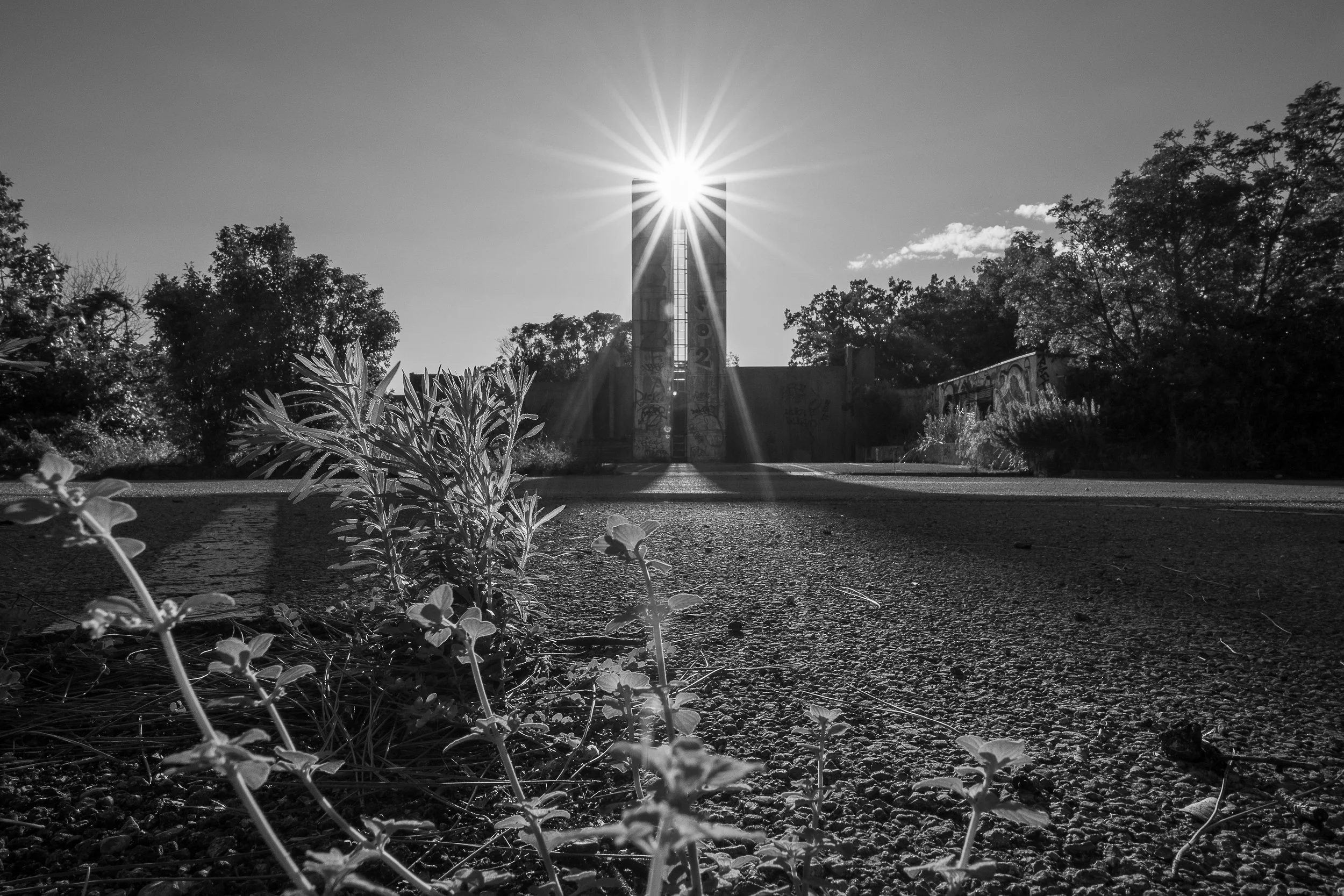
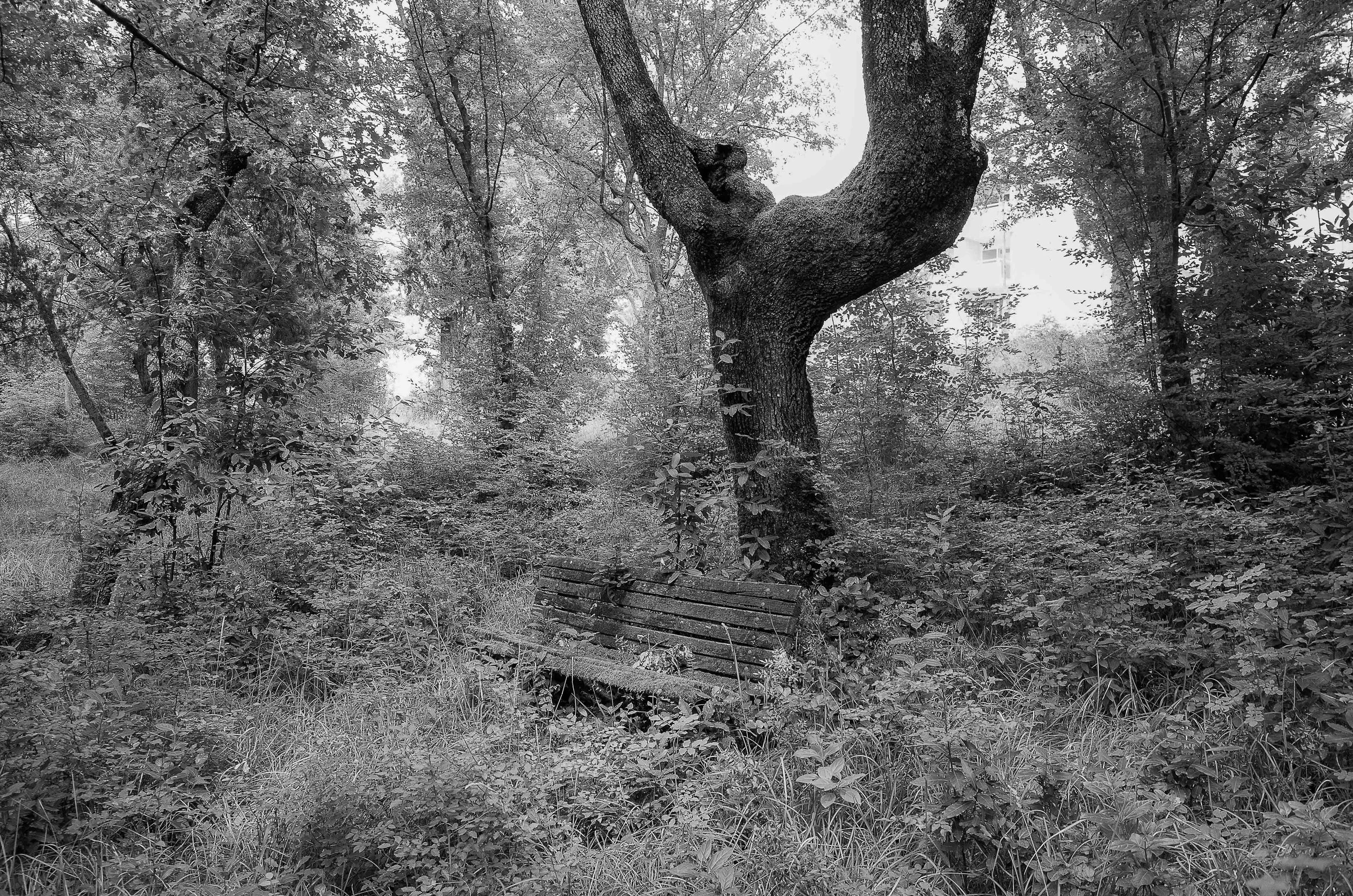
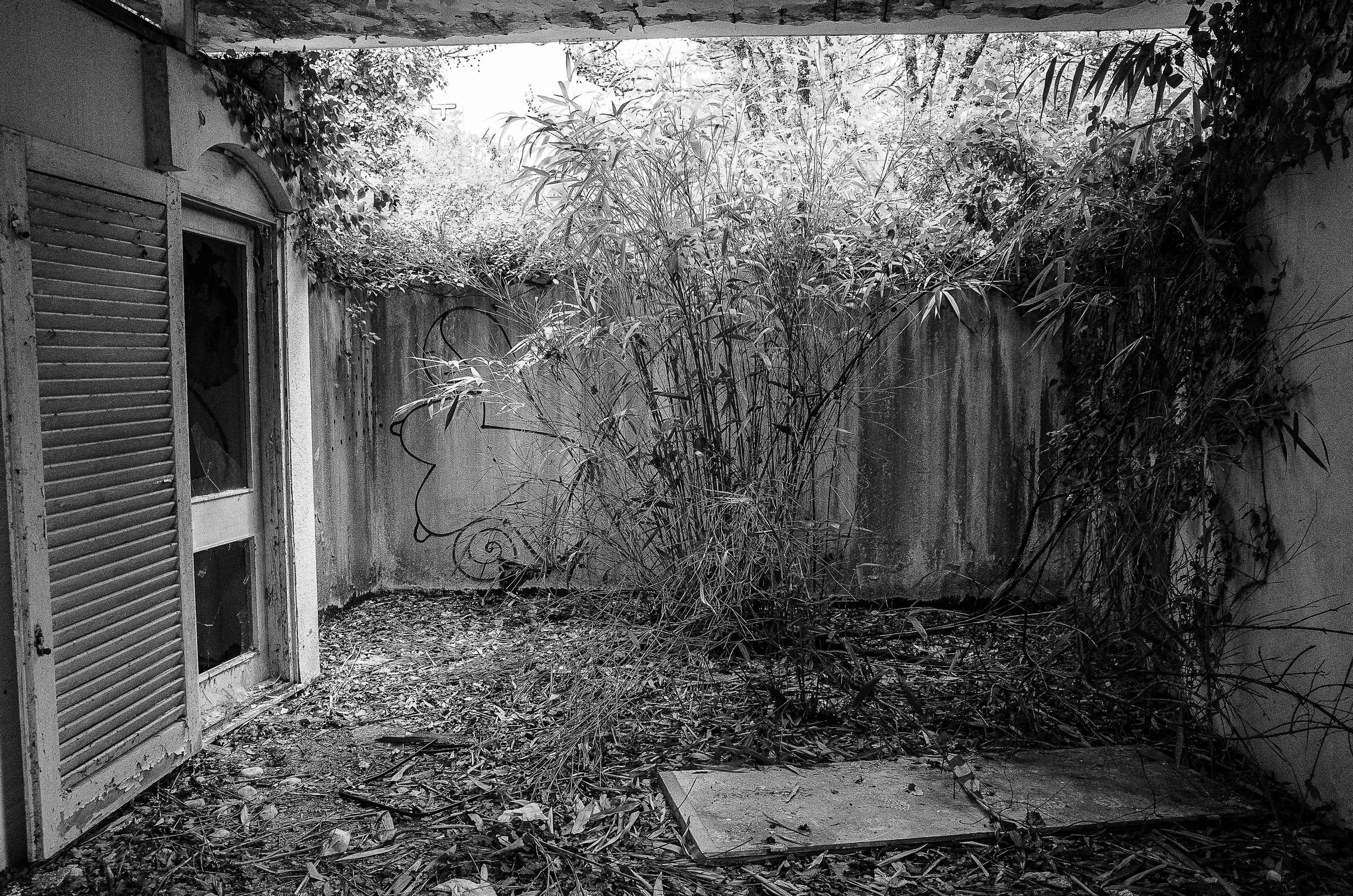
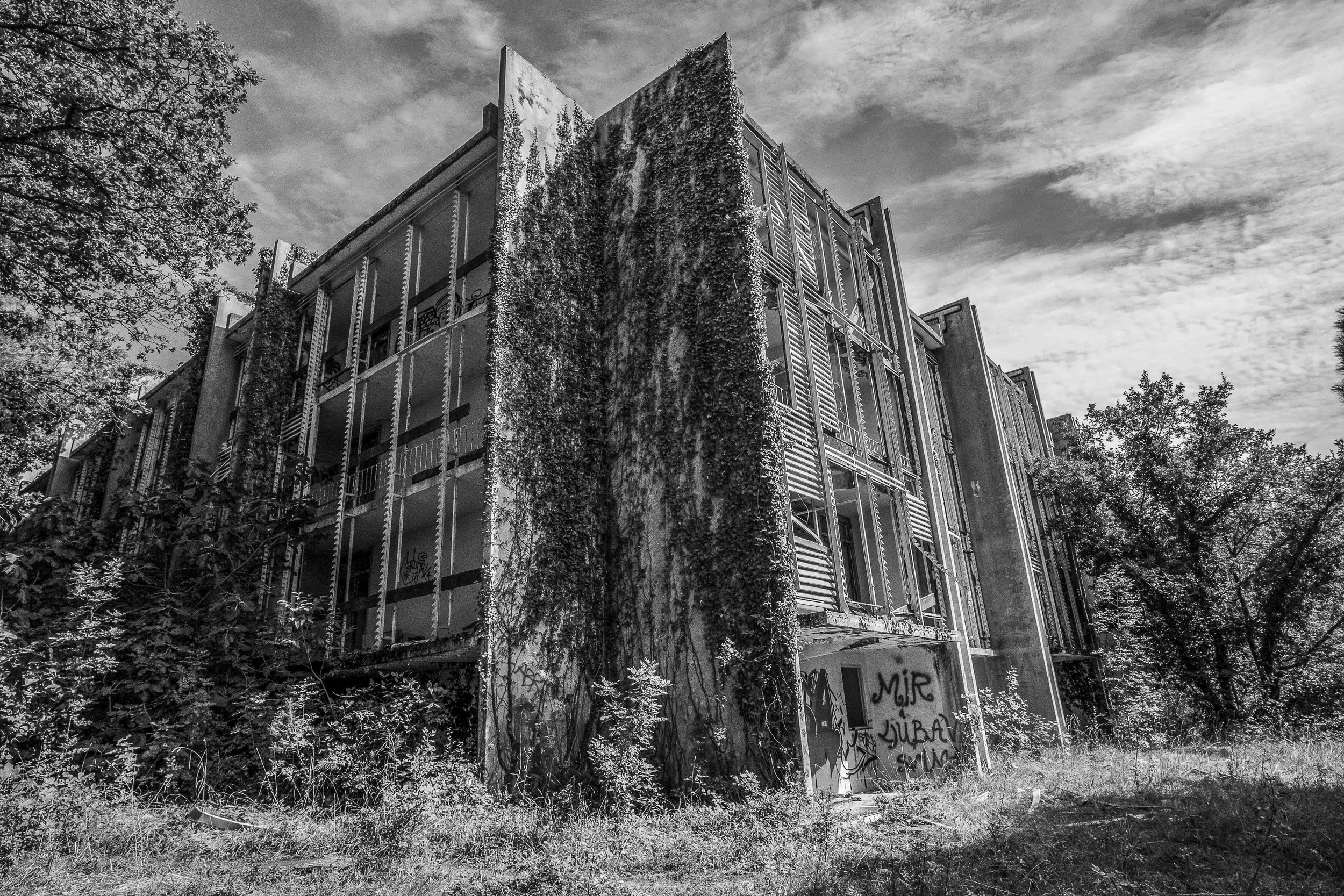
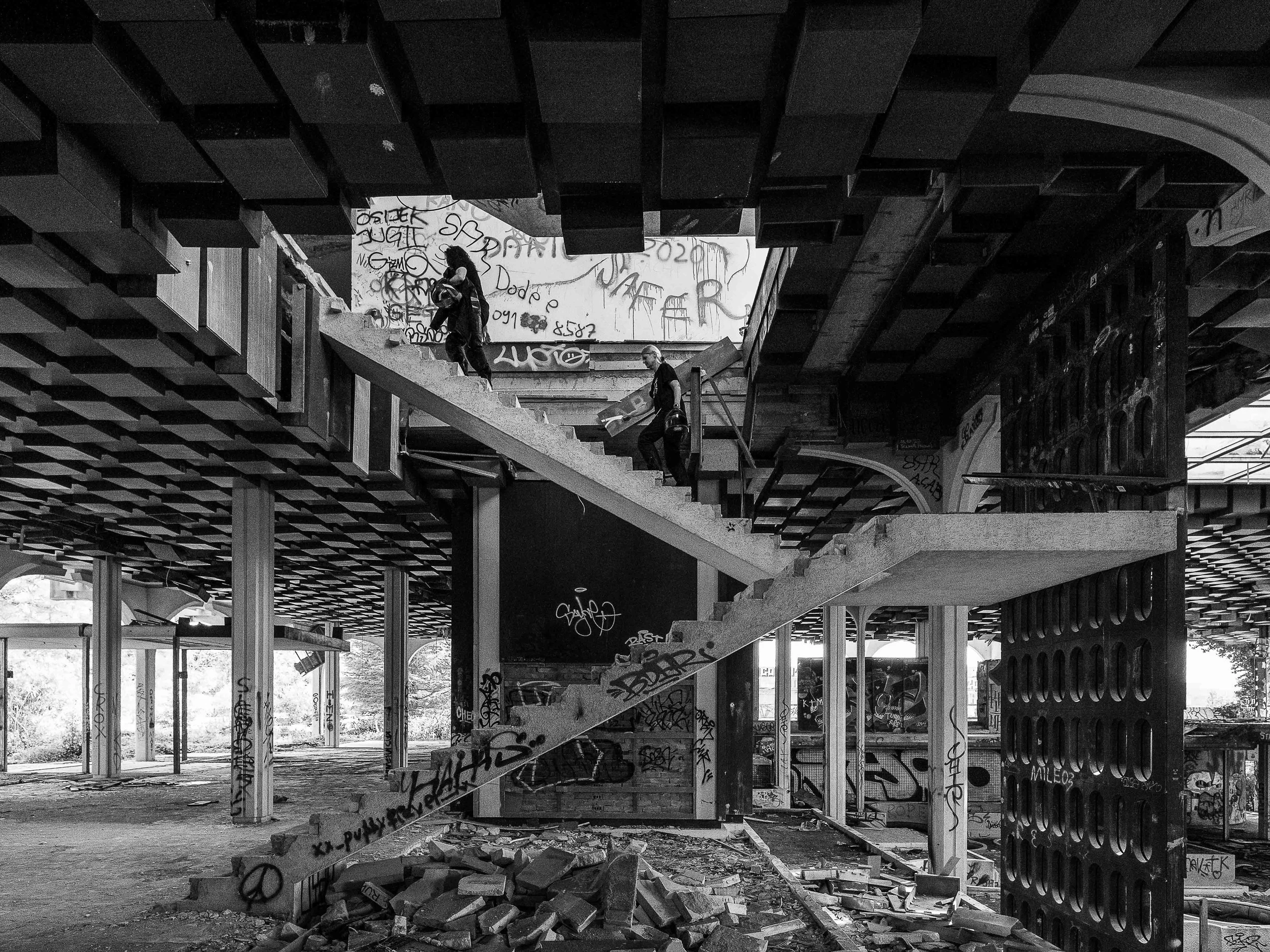
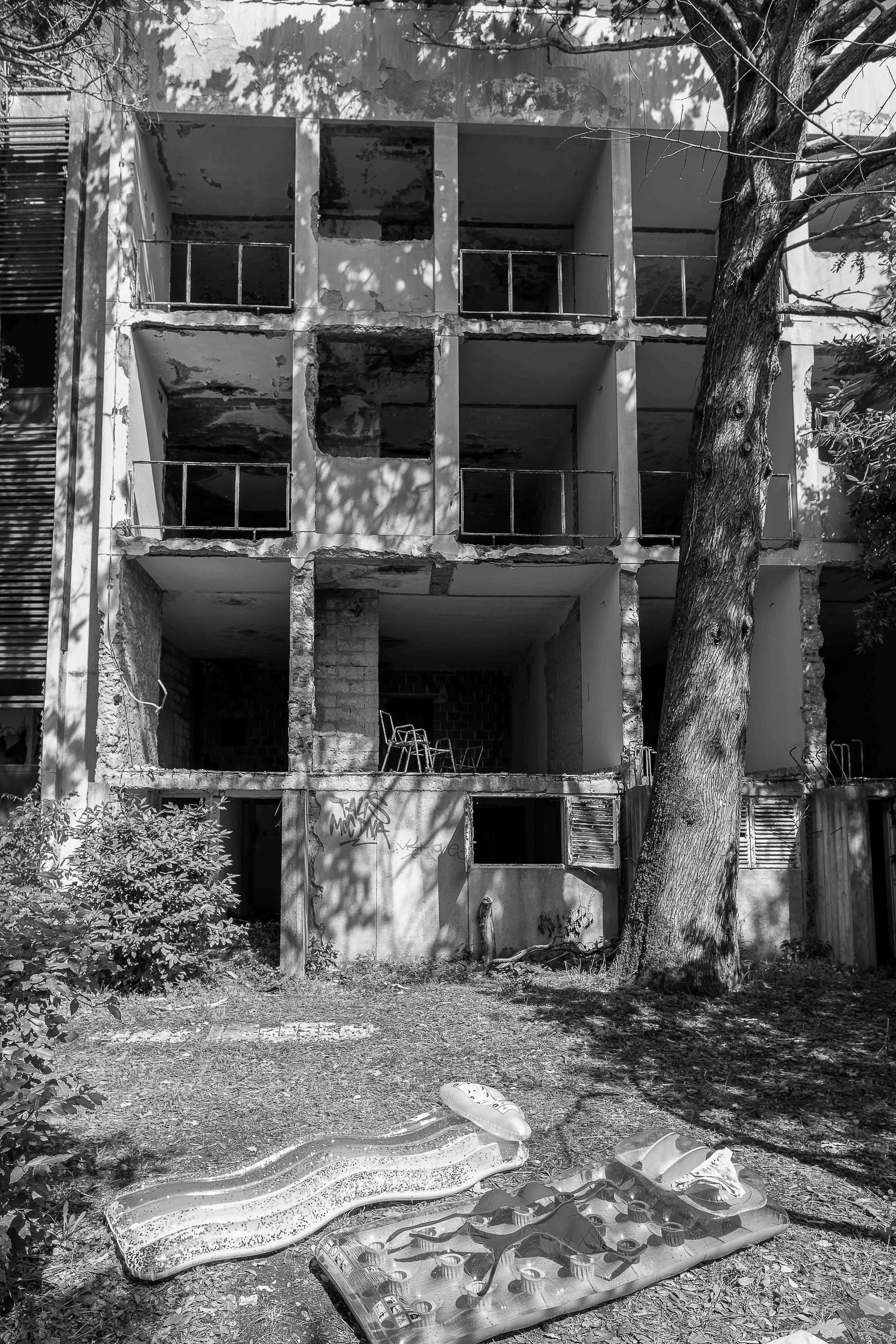
Today, the upper floors are reached via a bannister-less concrete staircase that tests your nerve both ways. Suites open onto corridors circling the atrium; a steel ladder climbs to the roof, where you get a sense of the complex's scale and a view over Malinska's pine forests. Vine-choked outhouses and outbuildings dot the grounds, slowly being reclaimed.
Why build a luxury hotel behind the Iron Curtain? Not, as the obvious joke goes, just to fill it with "Penthouse Pets," but reportedly to create neutral ground where East and West could meet away from prying eyes, and where both sides could profit from the arrangement. A pleasure palace with a veneer of Swiss neutrality.
The legends write themselves: pools said to run with champagne, a hundred kilos of lobster consumed daily, a golden gun supposedly left under a pillow by Saddam Hussein's son, and visits rumoured from Silvio Berlusconi and a Swedish head of state. How much is true is hard to say, but the walls make the imagination fertile.
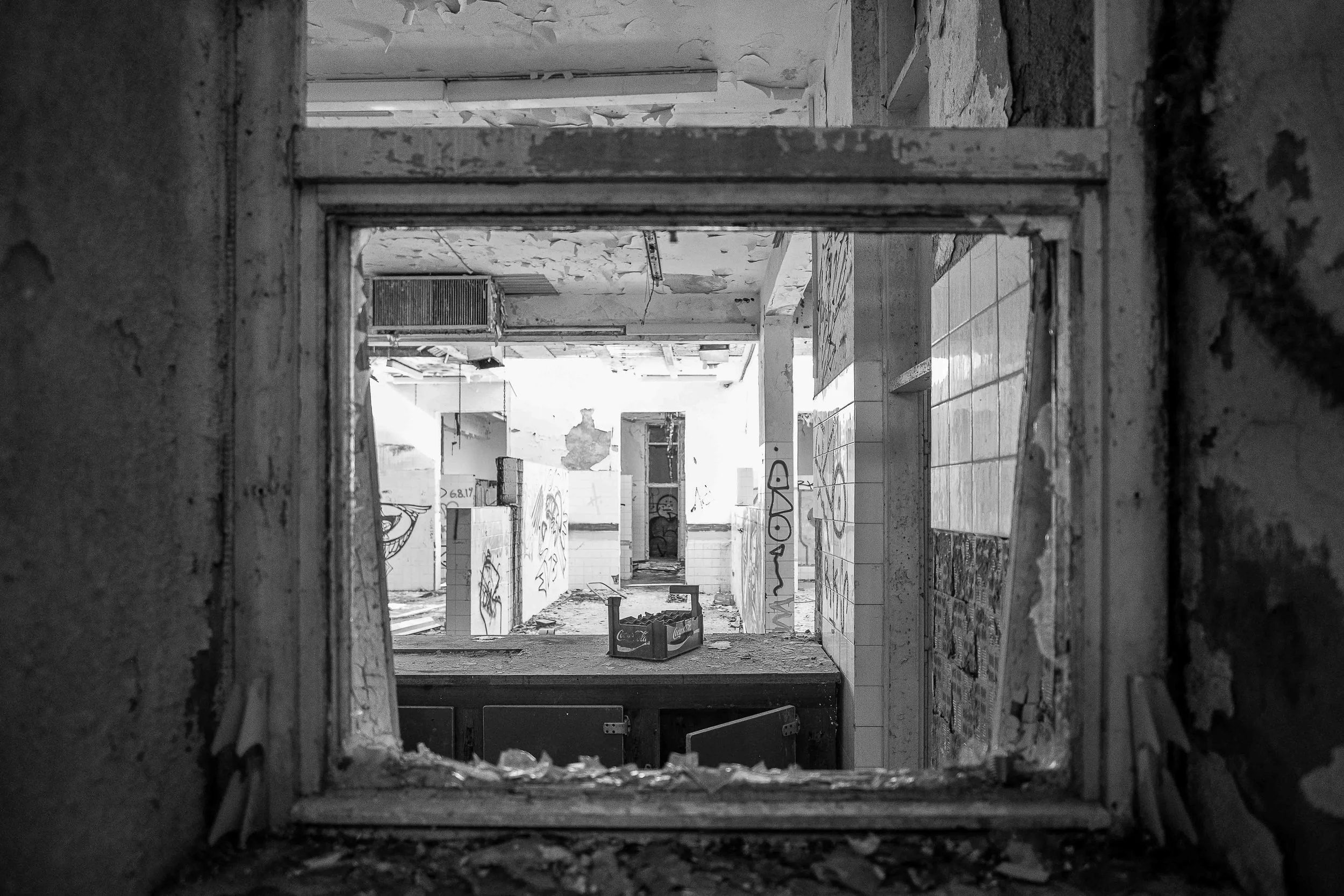
By 1972, a year after opening, Guccione declared the venture bankrupt. The hotel changed hands repeatedly and even sheltered refugees during the Yugoslav wars of the 1990s. What remains today is a shell, the carapace of something once full of life.
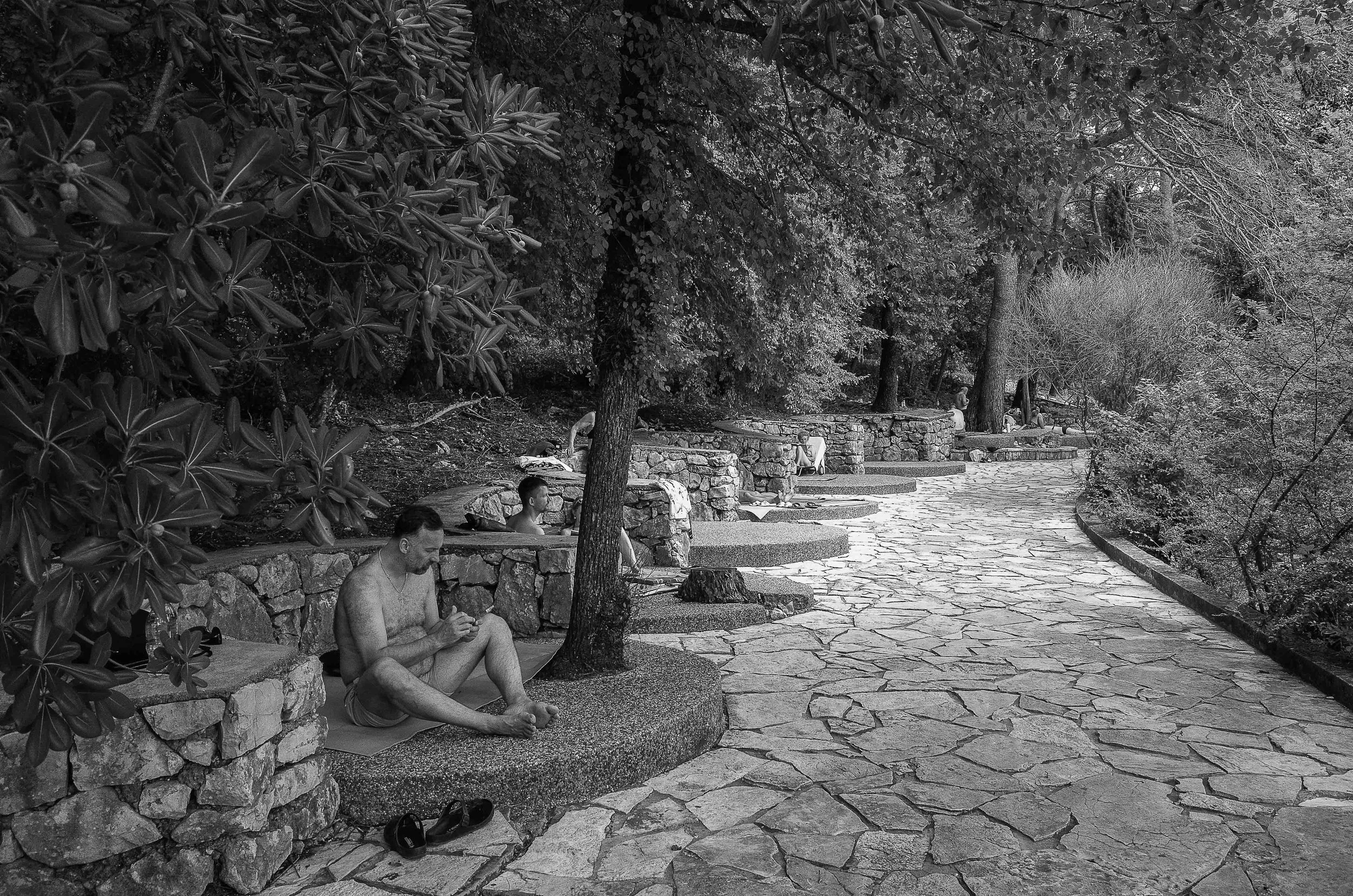
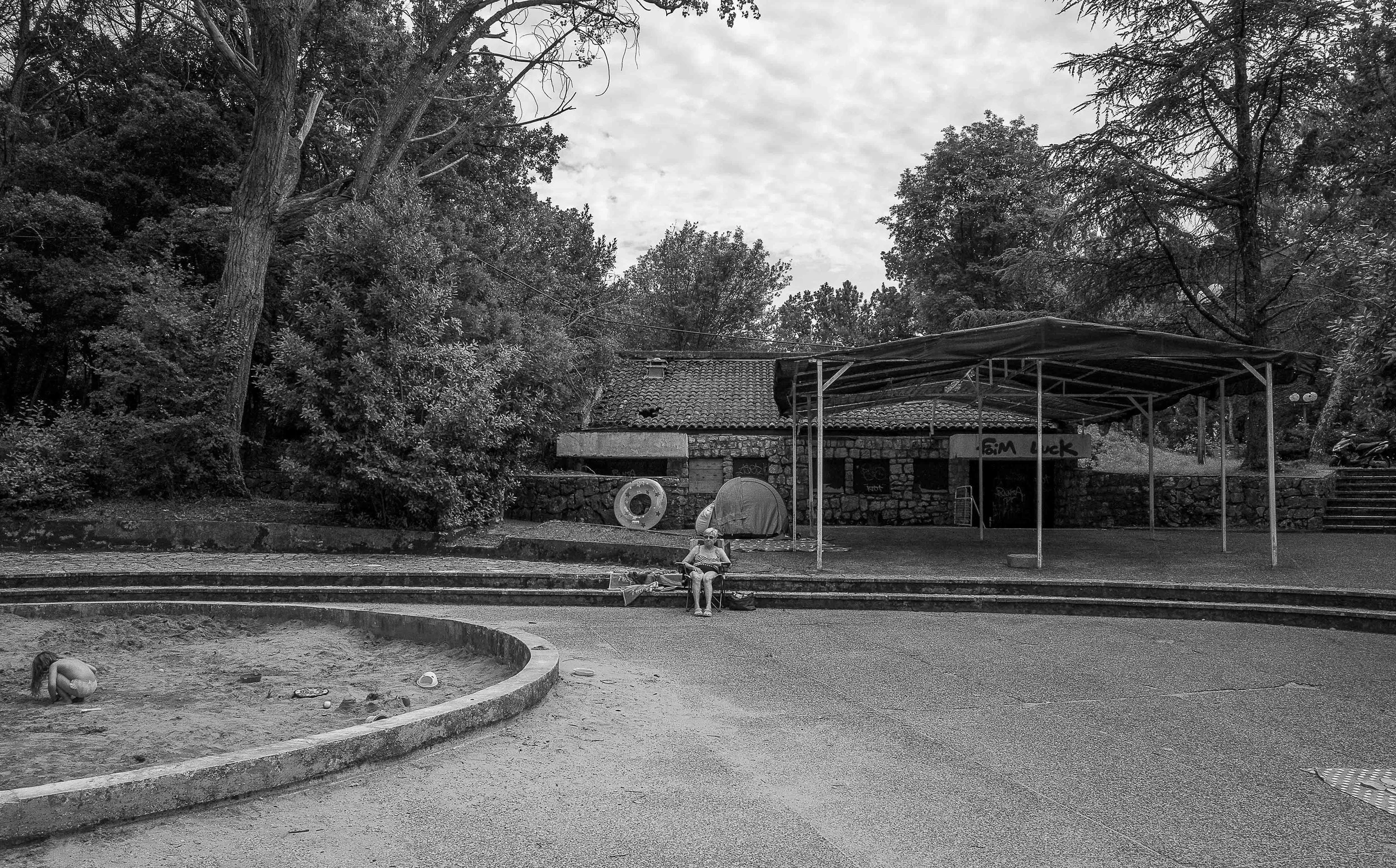
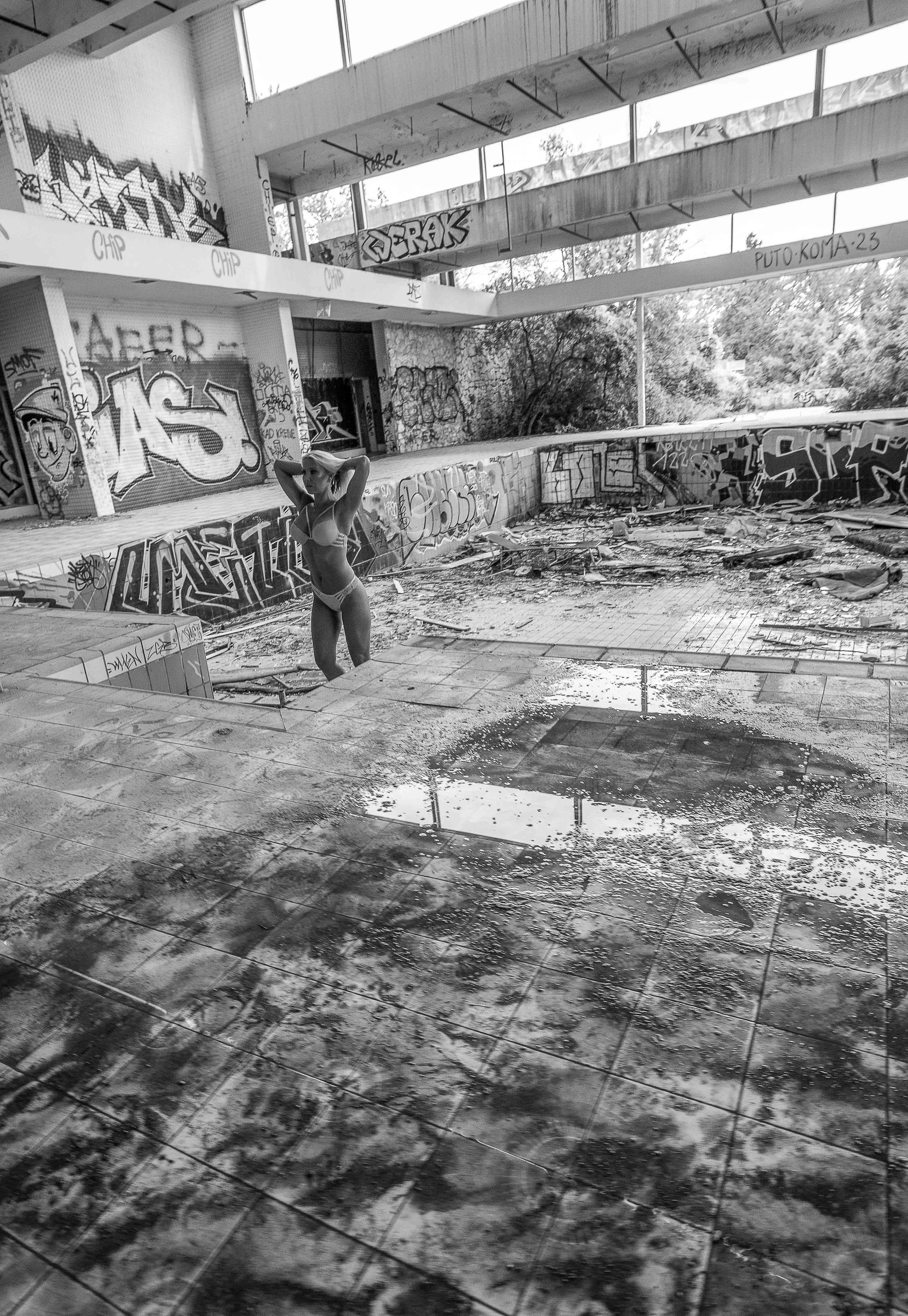
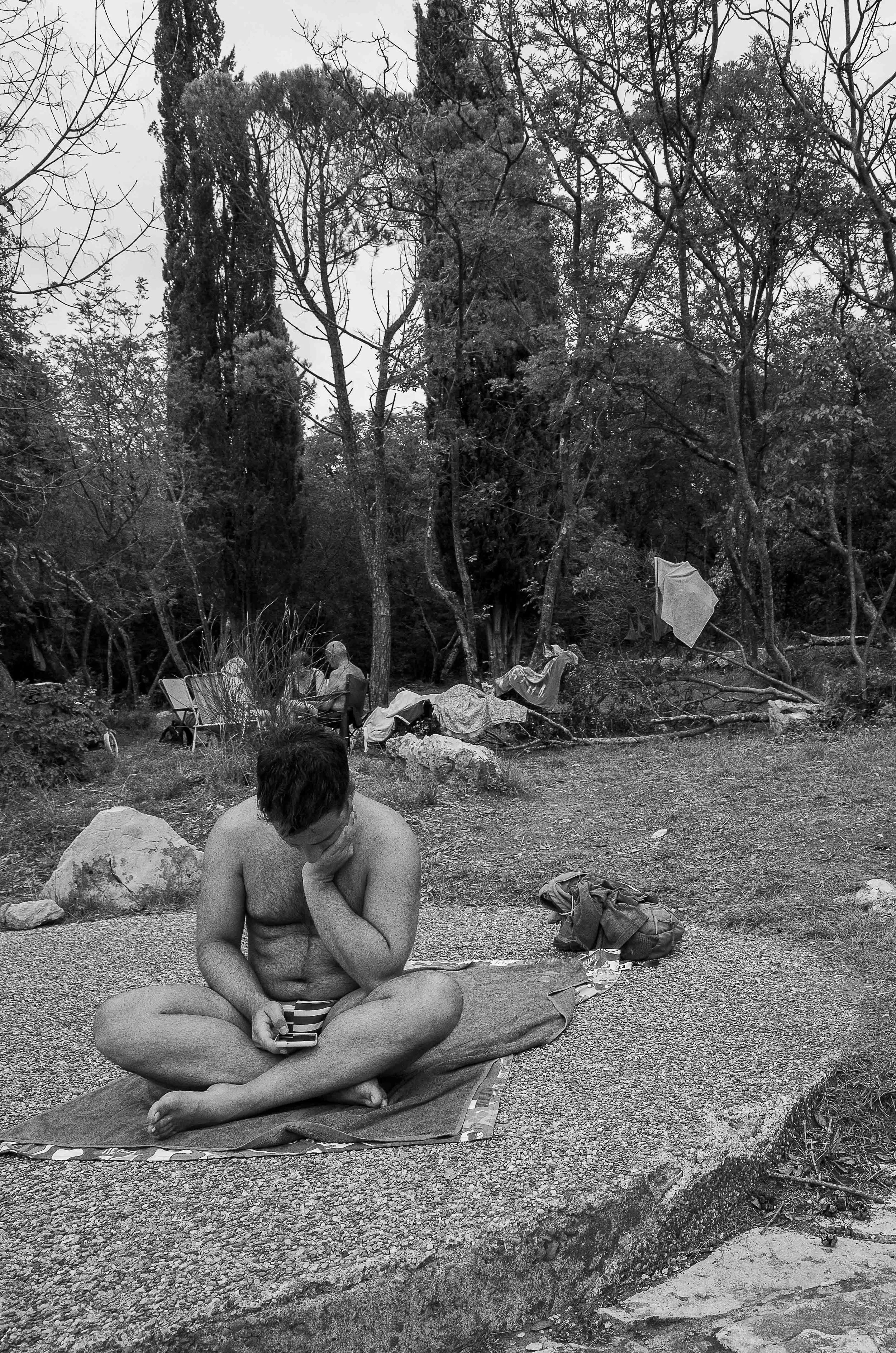
When I visited, graffiti artists worked the walls, families in flip-flops picked their way through glass and debris, and a glamour model posed for a photoshoot beside the drained indoor pool. In its decay, Hotel Haludovo seems to have found a strange second act.