Black Silver.
Silver once underwrote the Spanish Empire, extracted at the cost of millions of lives in suffocating tunnels. Today, miners still descend into its twisting shafts while silver continues to power modern technology and global markets, embodying both Bolivia’s mineral wealth and its enduring human toll.
Silver remains a critical global resource. Prices rose by 140 per cent in 2025 amid economic uncertainty and geopolitical tension. Investors turn to silver as a hedge while demand surges for modern technologies, financial assets, and symbols of status. With unmatched thermal and electrical conductivity, silver transmits energy through the devices that structure contemporary life. Like many mineral and rare earth resources, it acts as a barometer of global conflict, with prices contracting during stability and spiking in periods of geopolitical flux.
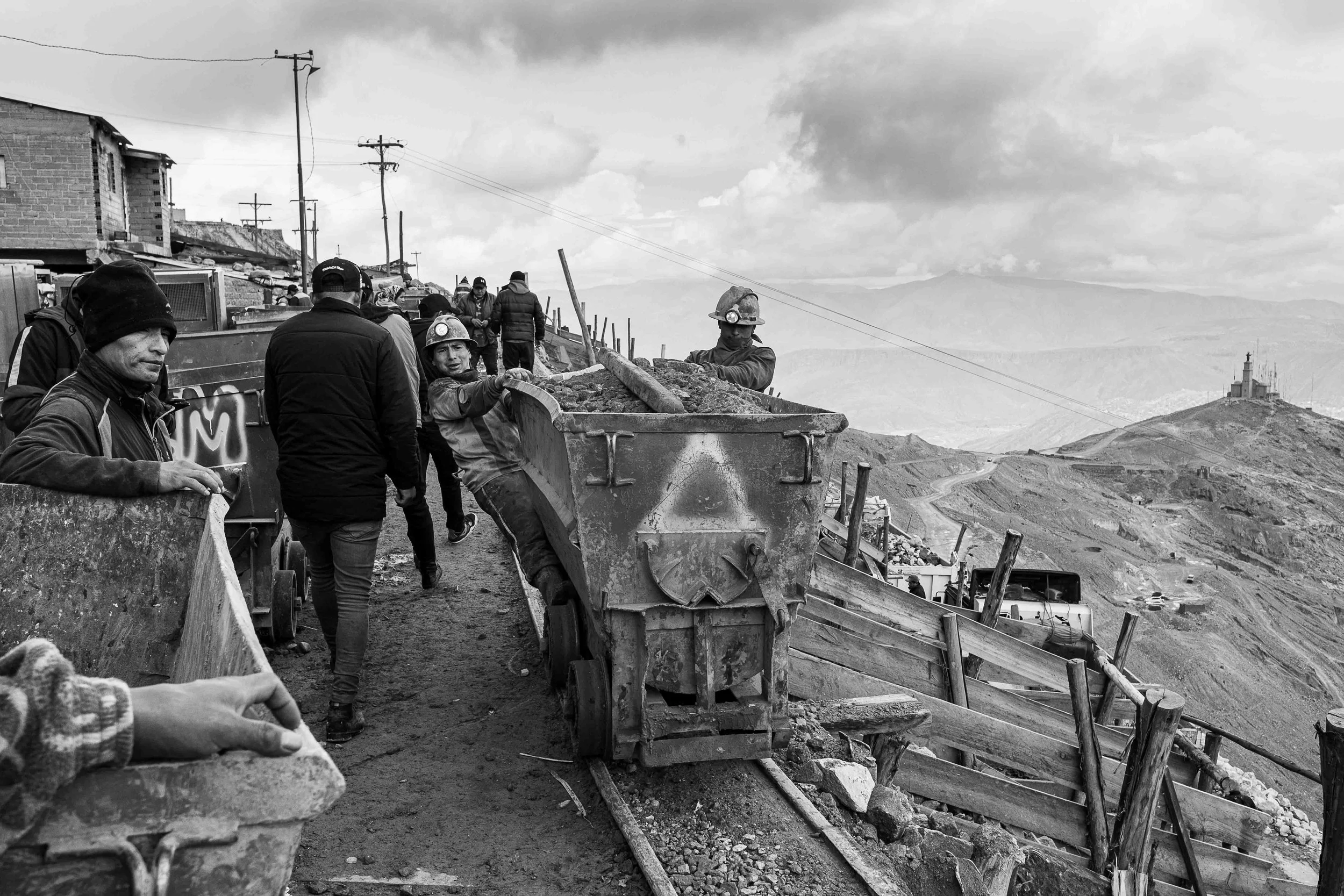
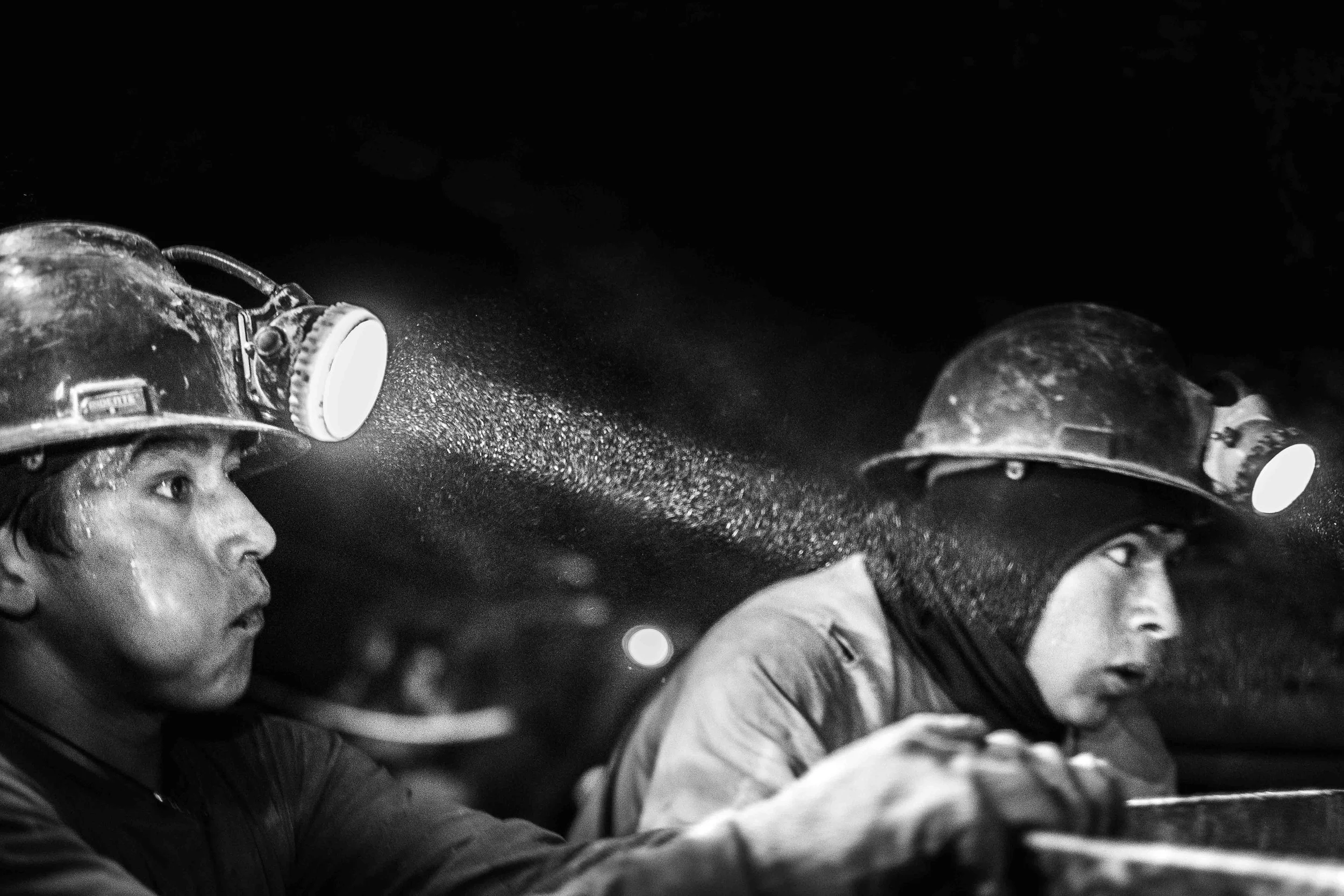
Cerro Rico itself is collapsing. Its summit has fallen by an estimated 250 to 400 metres, leaving the mountain honeycombed, hollowed, and structurally unstable, with the potential to deform into a truncated cone. Major collapses in 2010 and 2011 led UNESCO to list the site as endangered, yet extraction continues.
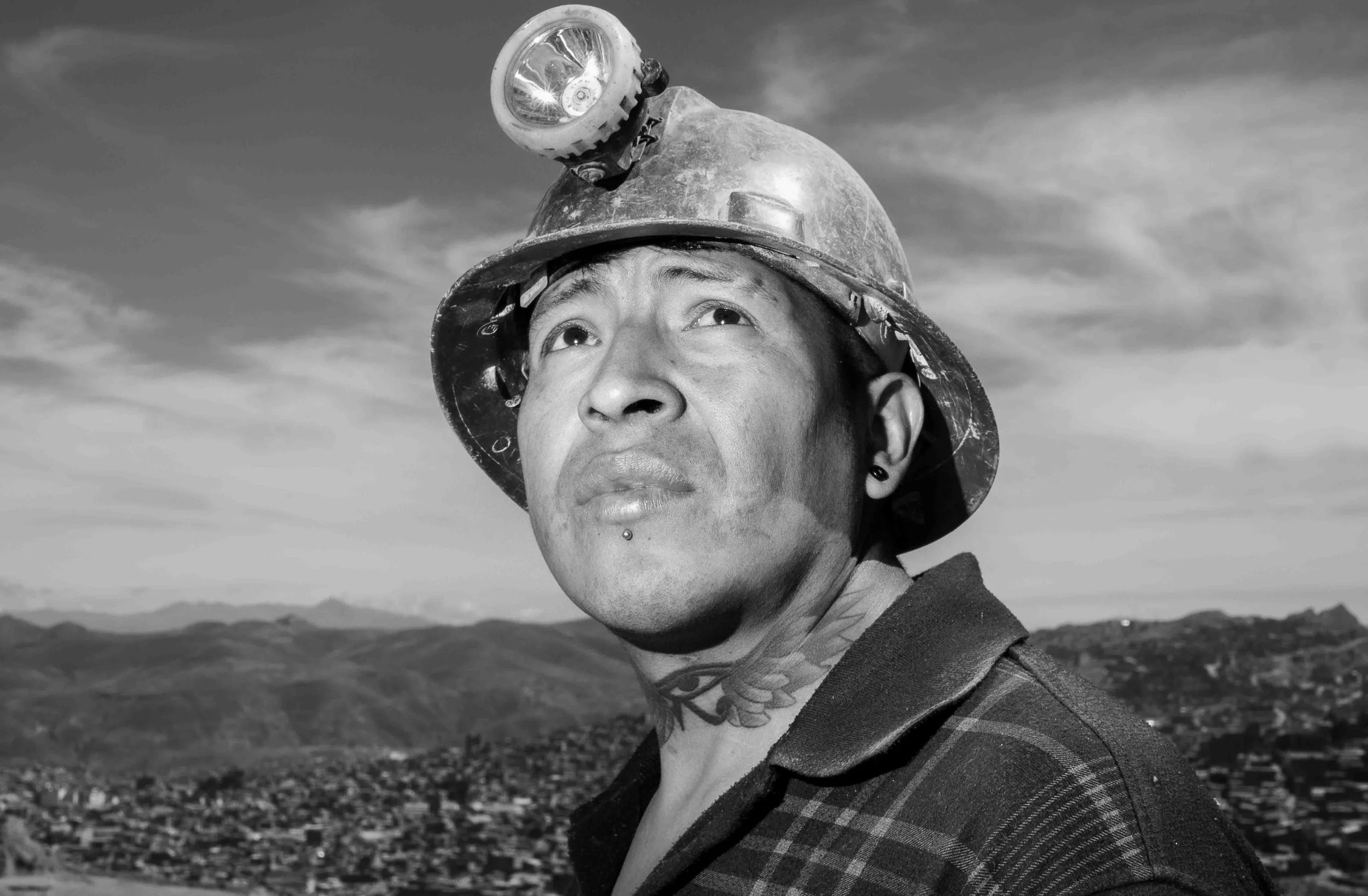
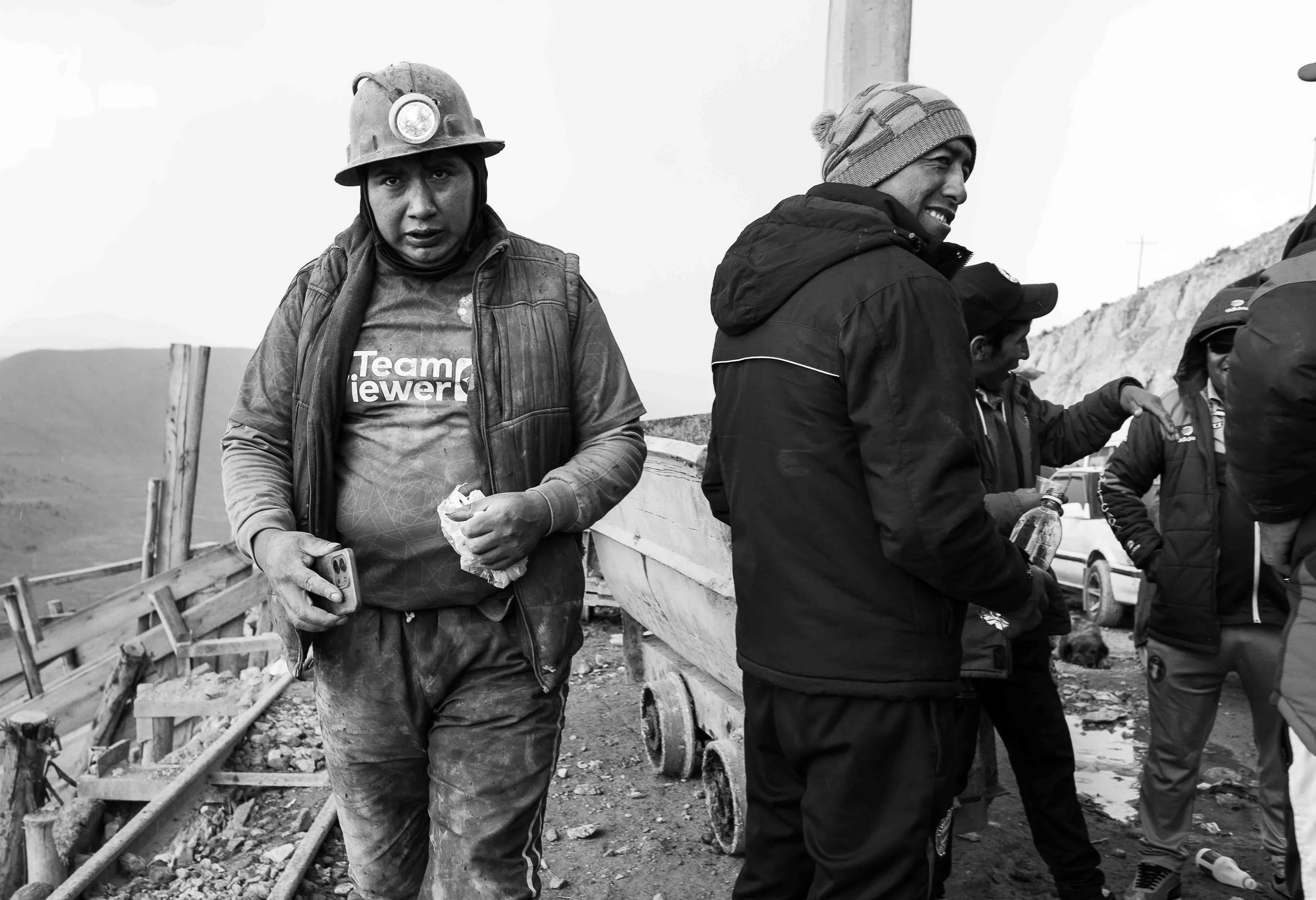
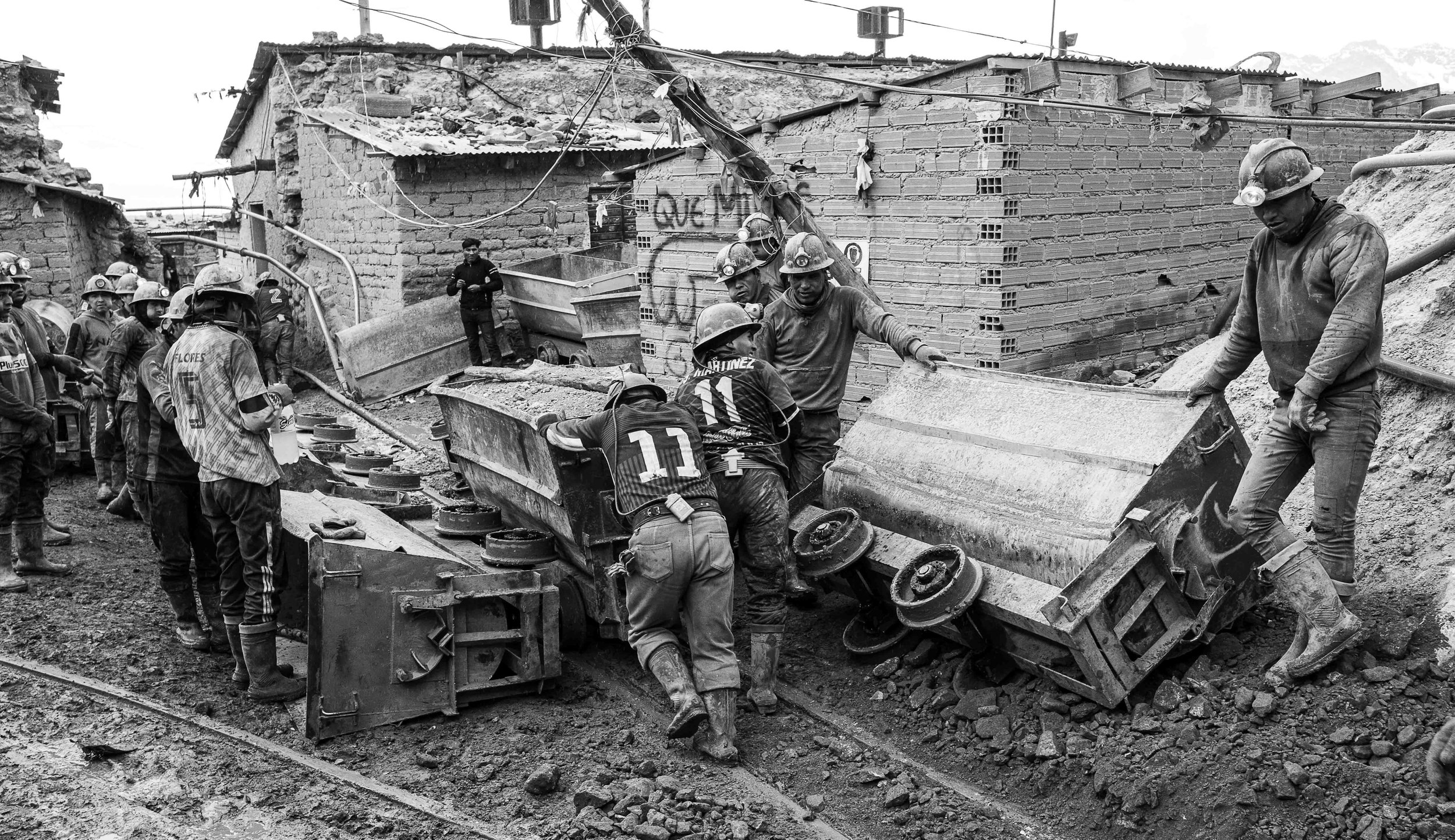
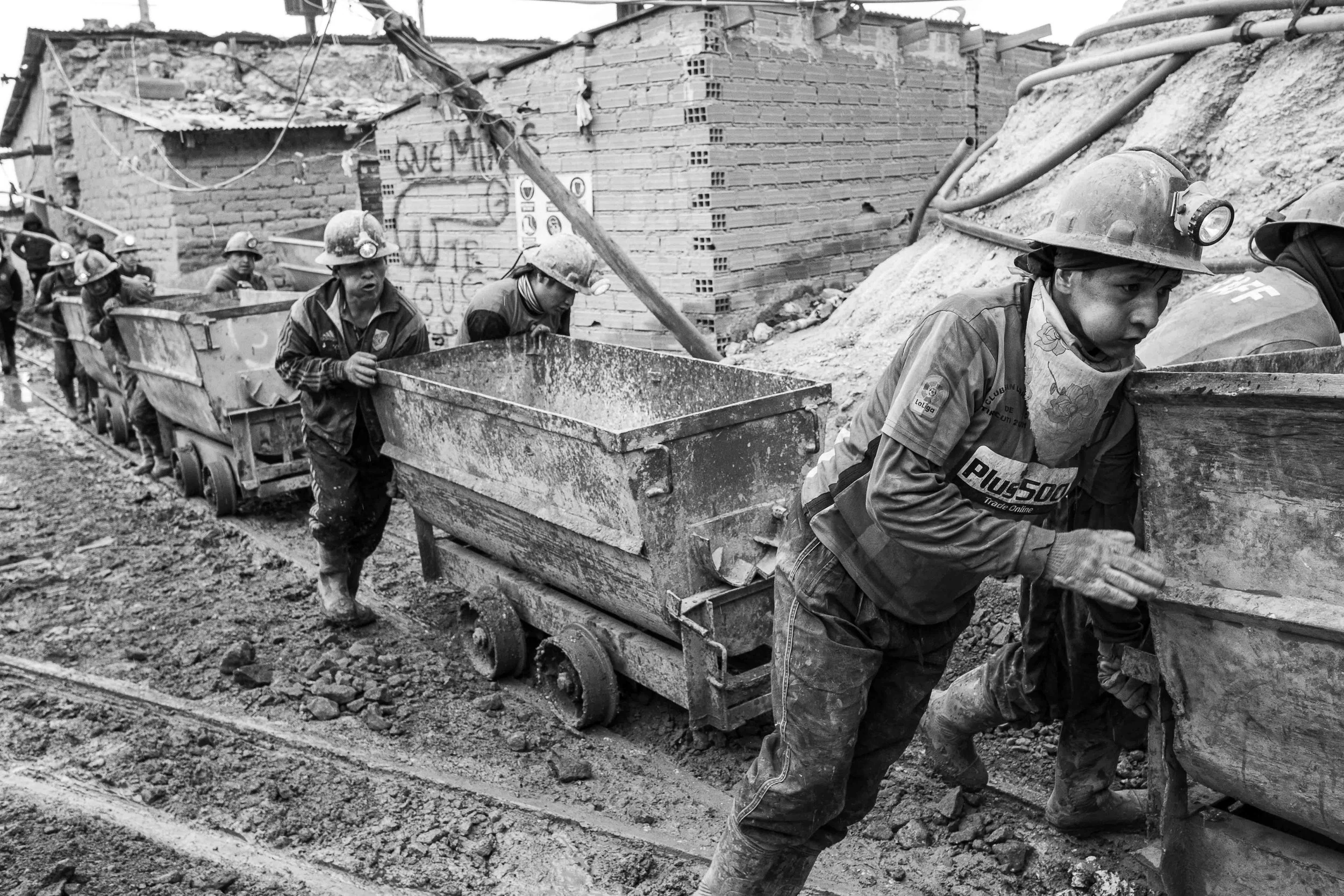
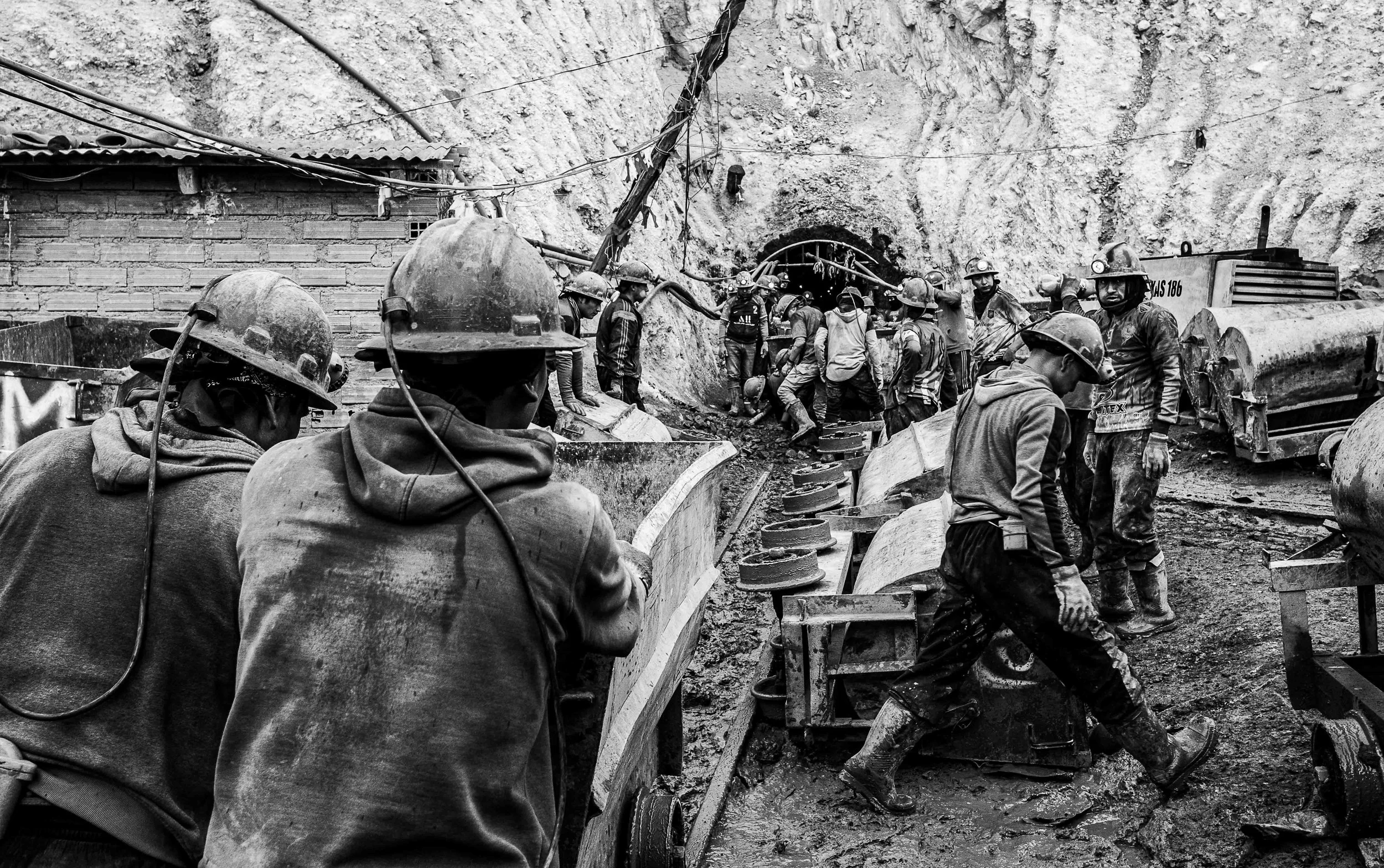
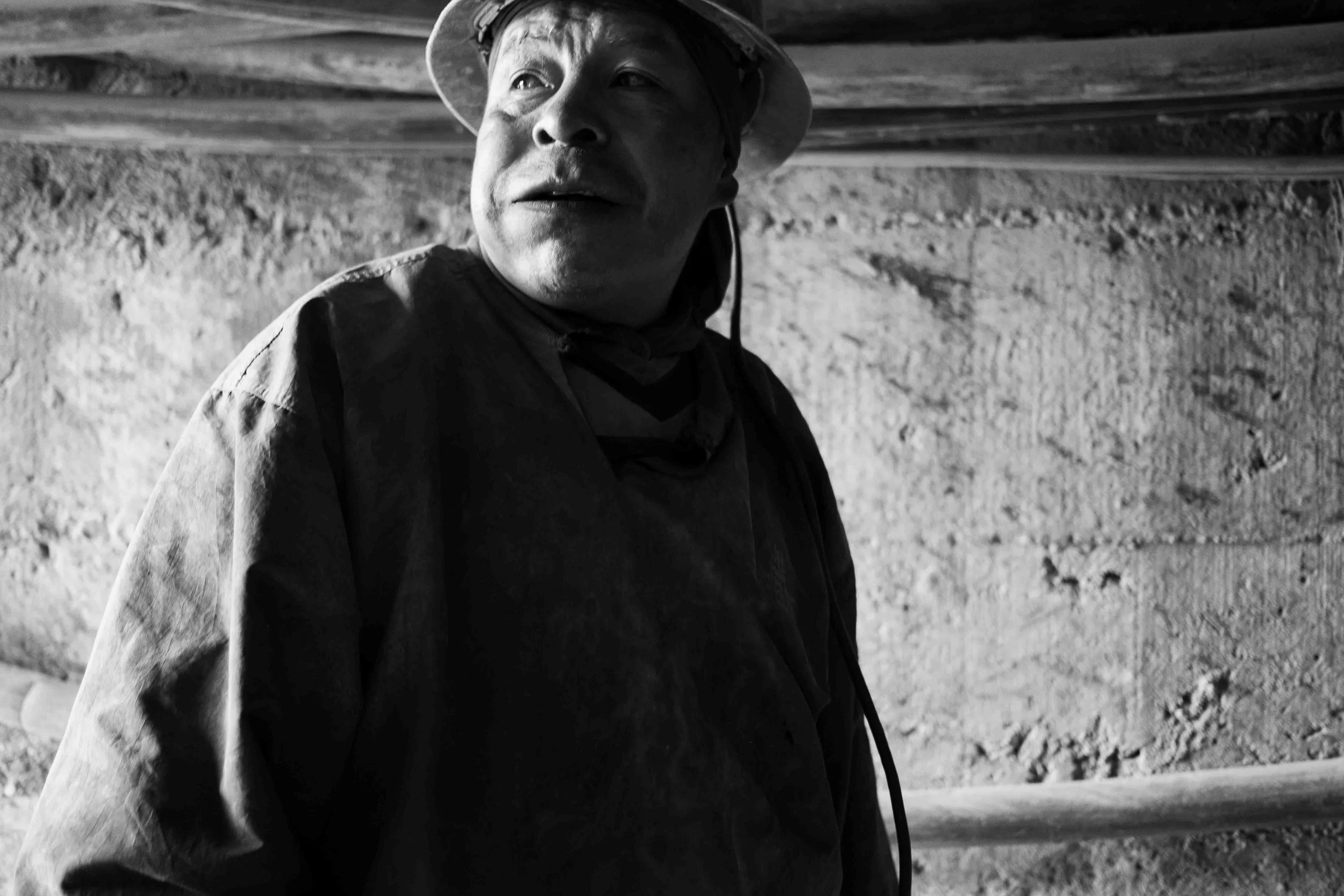
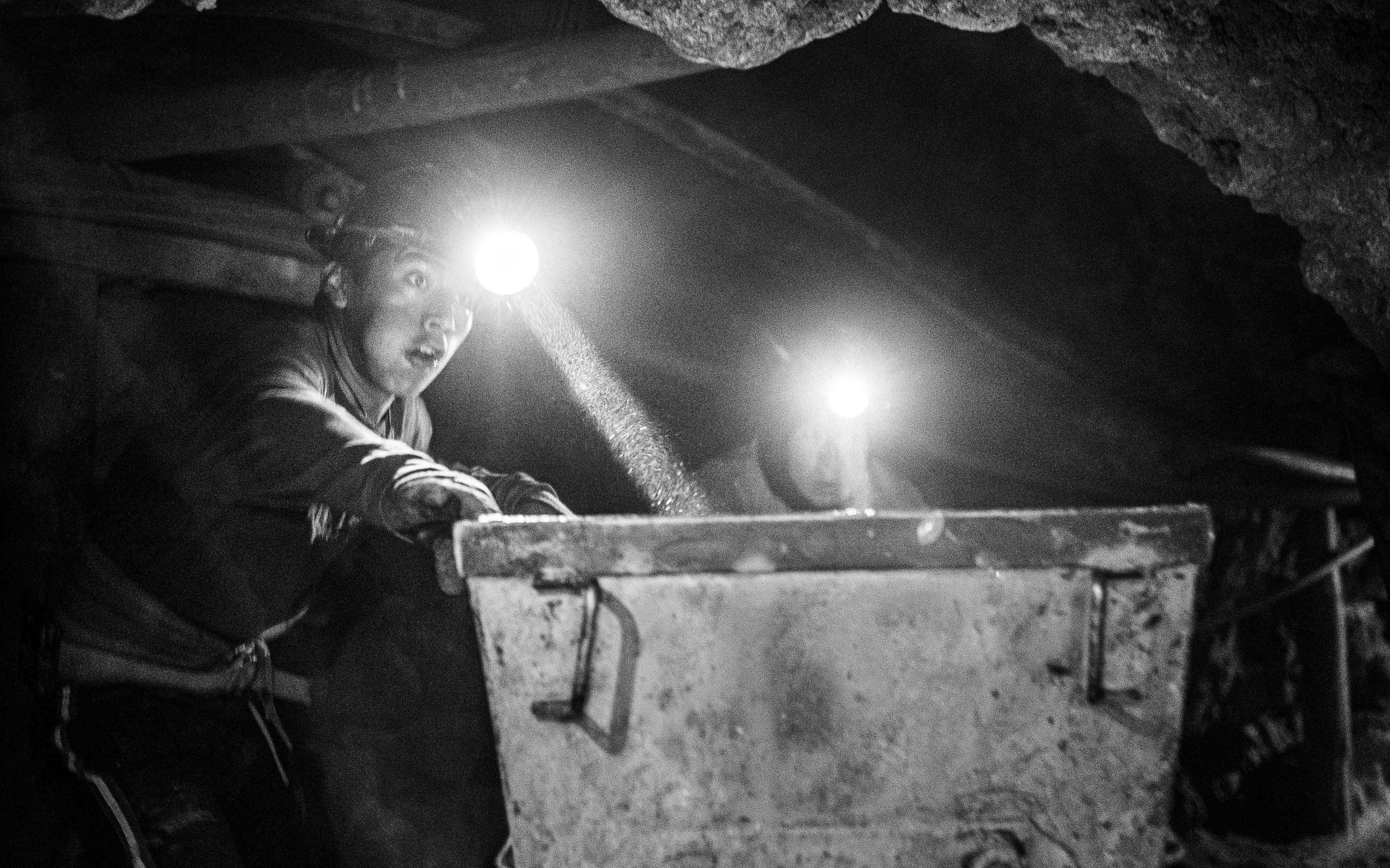
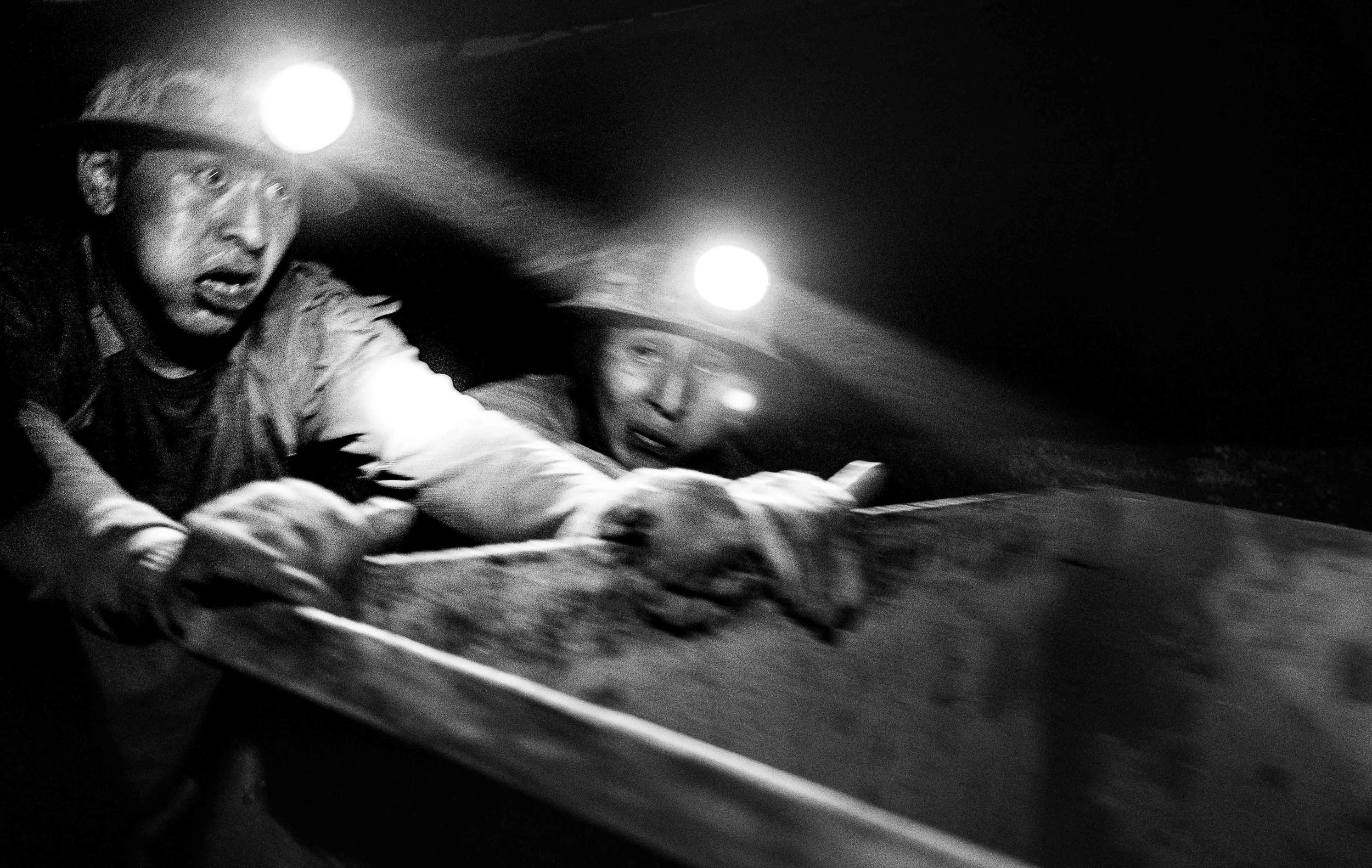
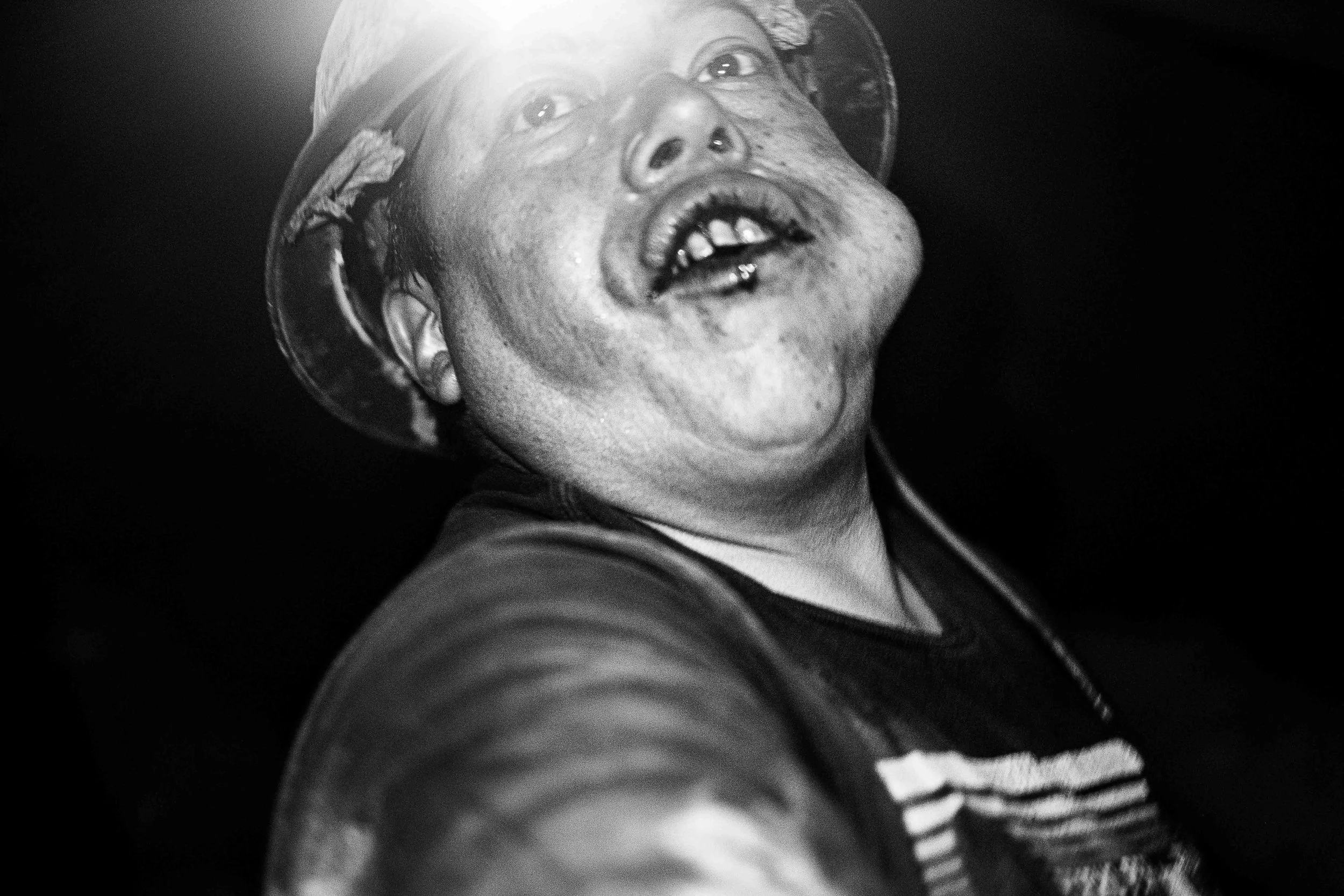
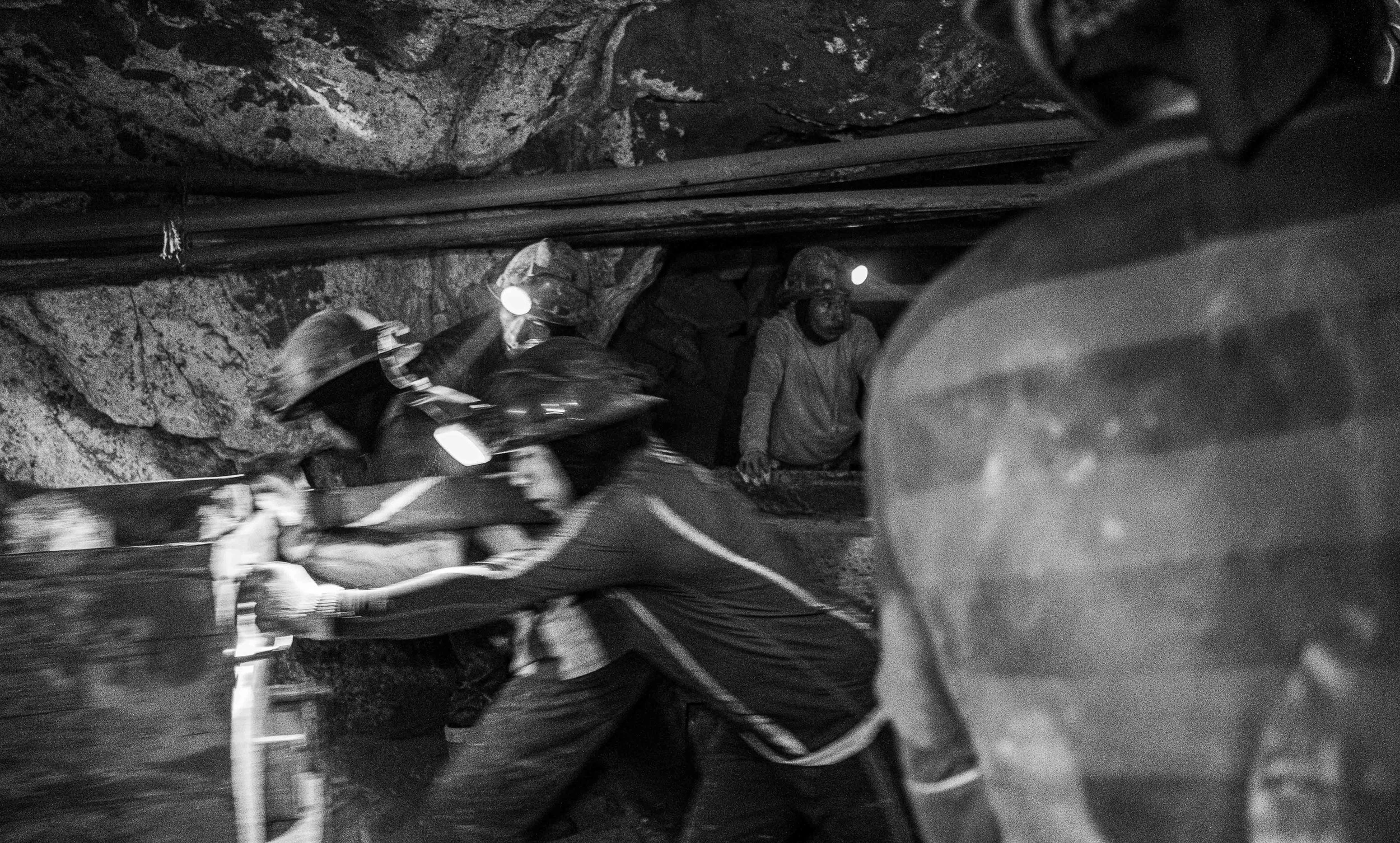
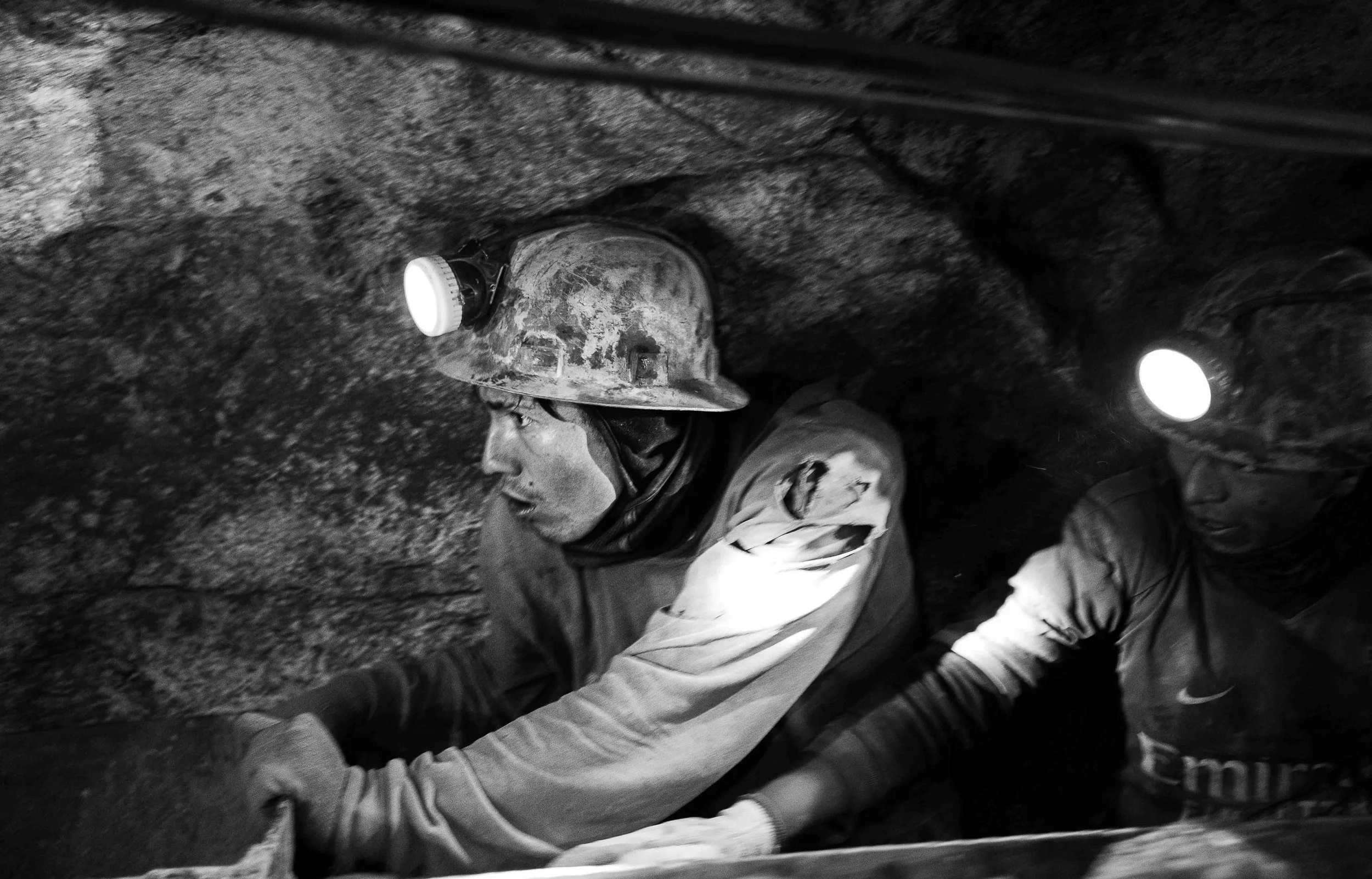
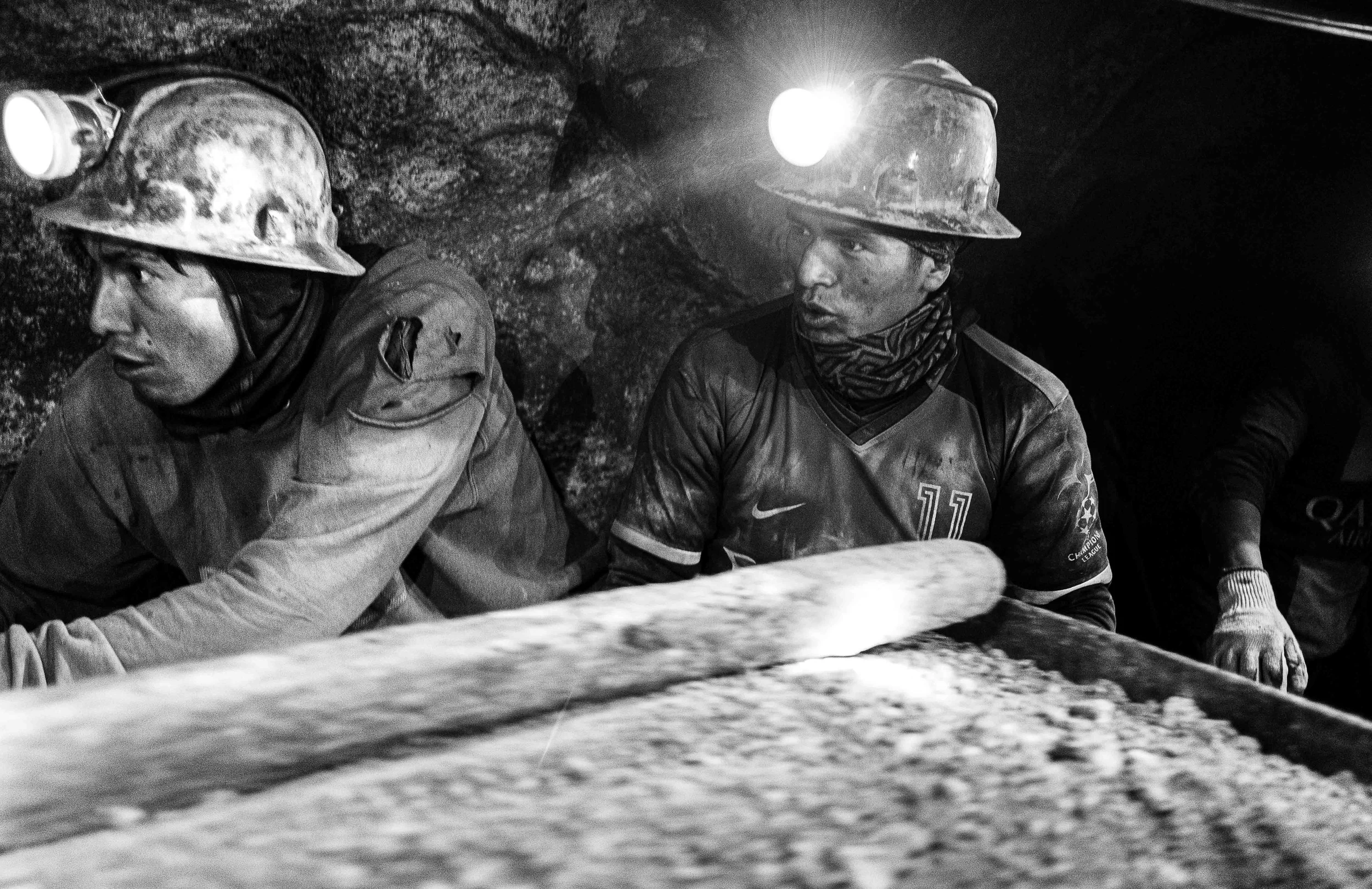
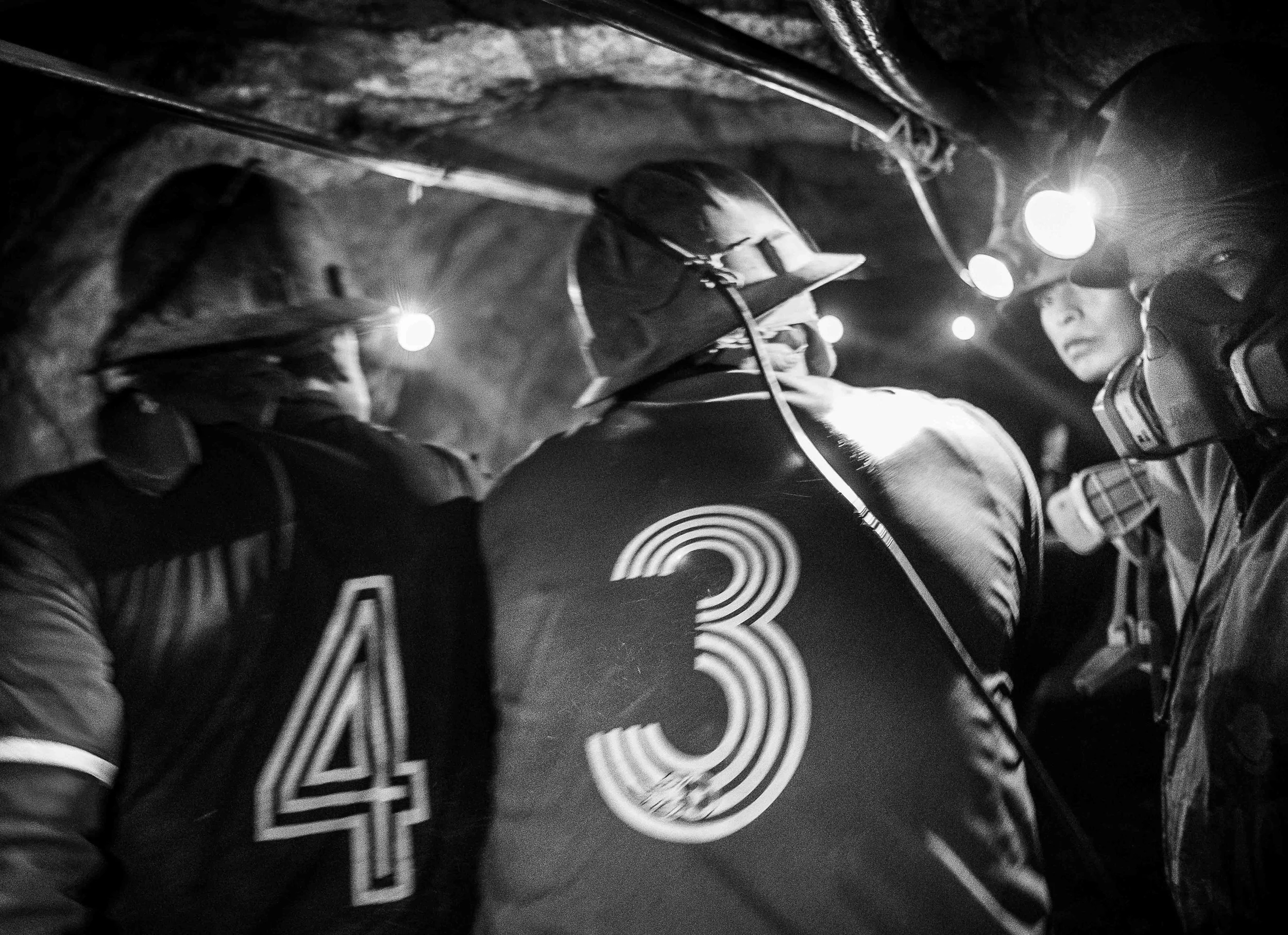
Between 10,000 and 30,000 people work inside the mountain today, with little change in practices over the past two decades. Migrants travel from across South America to join the ongoing silver rush. Pickaxes and mine carts coexist with modern drilling equipment, accelerating extraction while further destabilising the fragile rock.
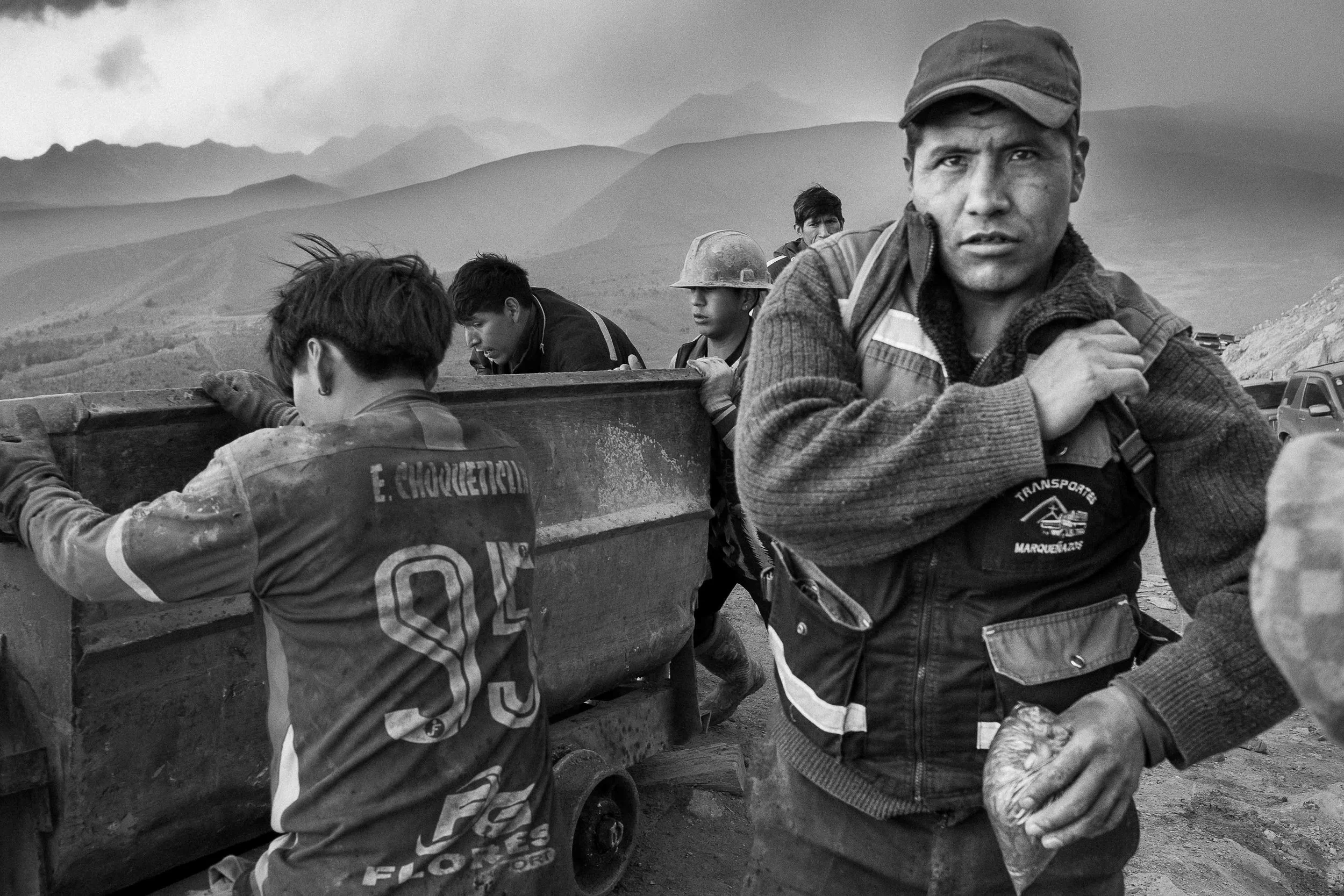
By October 2025, when I documented the mines, approximately 96 miners had died that year, although underreporting obscures the true toll. Mining is organised through cooperatives with limited oversight, where economic necessity frequently overrides health and safety. Structural collapses, explosions, toxic gas, and chronic respiratory disease remain routine causes of death.